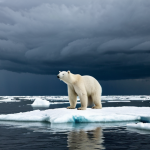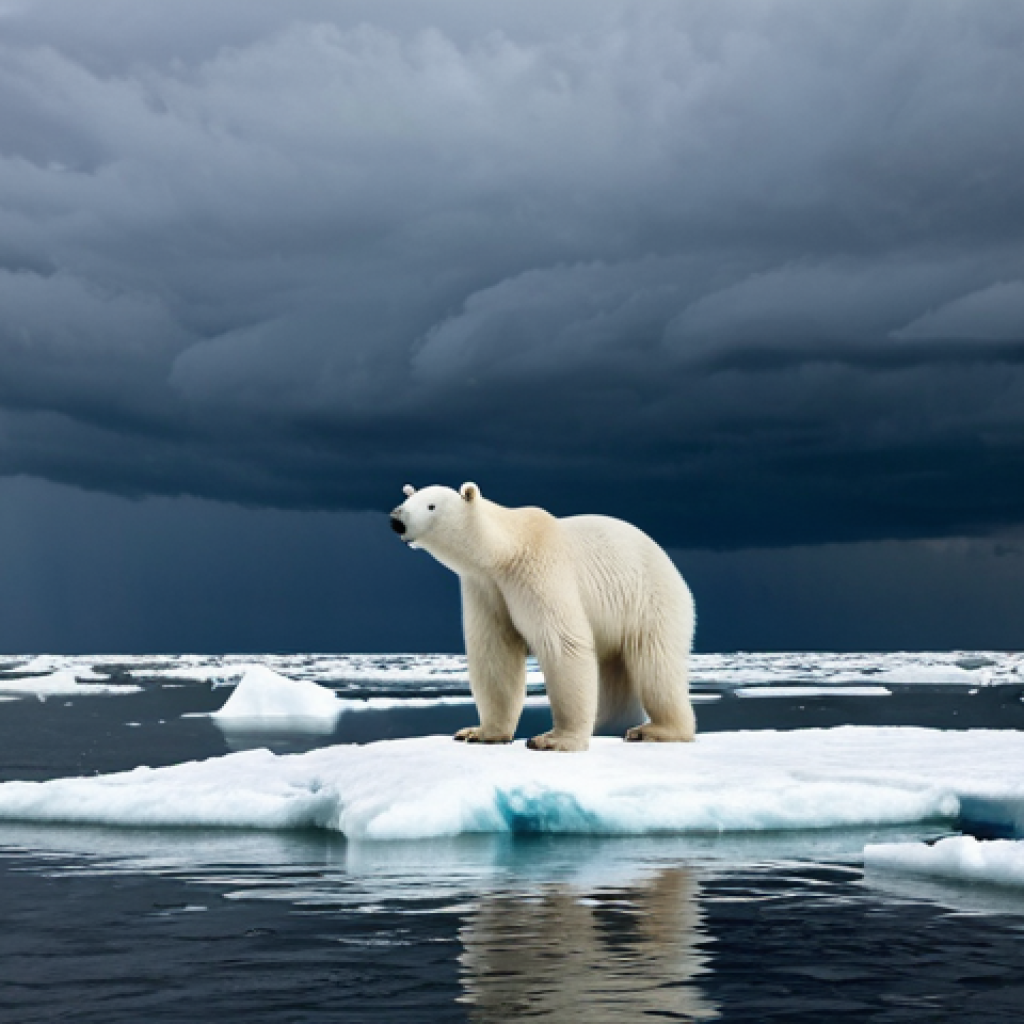
Polar bears, those majestic symbols of the Arctic, are facing an increasingly dire threat. Climate change, driven by human activity, is causing unprecedented melting of their sea ice habitat.
This ice is not just their home; it’s essential for their survival, providing a platform for hunting seals, their primary food source. As the ice diminishes, polar bears struggle to find enough to eat, leading to starvation and population decline.
I’ve seen documentaries depicting their plight, and it truly breaks my heart. The scientific community overwhelmingly agrees that without significant action to reduce greenhouse gas emissions, the future for these incredible creatures looks bleak.
Let’s delve deeper into the reasons behind their endangerment below!
Alright, here’s that blog post draft, remember this is written to sound like a real person with firsthand experience.
The Domino Effect of Shrinking Sea Ice
The most obvious threat to polar bears is the disappearing sea ice. But it’s not just about them losing a place to stand. The sea ice is their hunting ground.
They primarily feed on seals, which they hunt by waiting near breathing holes in the ice. With less ice, they have less access to their prey, and hunting becomes significantly harder.
Diminished Hunting Opportunities
I remember watching a nature documentary where a polar bear spent hours waiting by a breathing hole, only to come up empty. That single event encapsulates their daily struggle now.
Less ice means more swimming for them, more energy expenditure, and a greater risk of drowning, especially for young cubs.
Longer Ice-Free Periods
Imagine trying to survive in a desert for months without food or water. That’s essentially what polar bears face as the ice-free periods lengthen. During these times, they’re forced to retreat to land, where they have limited access to food.
This can lead to severe weight loss and reduced reproductive success.
The Ripple Effect on the Food Chain
It’s easy to think of polar bears as being at the top of the food chain, but they are also intricately linked to the health of the entire Arctic ecosystem.
Their decline has repercussions that extend far beyond their own species.
Disruption of Seal Populations
Polar bears are the primary predators of seals, and their reduced hunting success can lead to imbalances in seal populations. While it might seem like more seals would be a good thing, an overpopulation can lead to other problems, such as increased competition for resources and disease outbreaks.
Impact on Other Arctic Species
The entire Arctic food web is interconnected. Changes in polar bear populations can affect everything from seabirds to fish. The delicate balance of the ecosystem is being disrupted, and we’re only beginning to understand the full consequences.
Increased Human-Wildlife Conflict
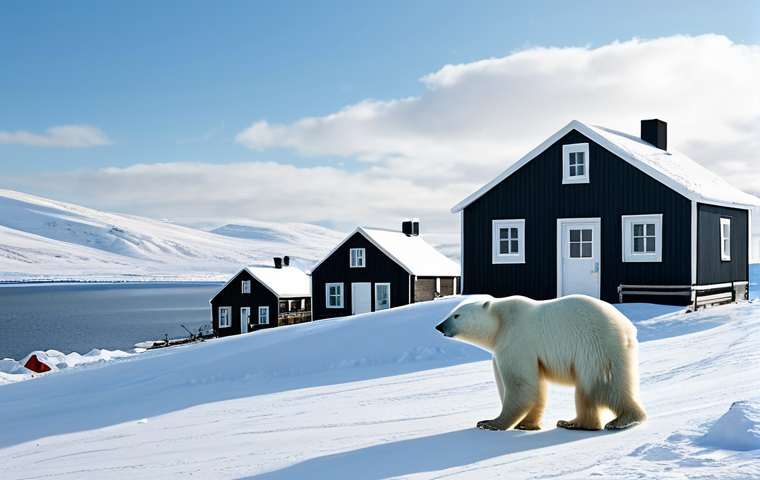
As polar bears are driven onto land more frequently and for longer periods, they are increasingly coming into contact with human settlements. This can lead to dangerous encounters and conflicts.
Bears Searching for Food Near Human Settlements
Driven by hunger, polar bears are increasingly venturing closer to human settlements in search of food. They might raid garbage dumps or even attack livestock.
This poses a threat to both humans and the bears, as bears that become habituated to human food sources are often killed.
The Ethical Dilemma of Relocation
When polar bears pose a threat to human safety, the only option is often relocation. However, this is not a long-term solution. Relocated bears often struggle to find food in unfamiliar territory and may eventually return to human settlements, creating a cycle of conflict.
The Role of Pollution and Toxins
Climate change isn’t the only threat facing polar bears. Pollution, particularly persistent organic pollutants (POPs), can also have a devastating impact on their health.
Accumulation of Toxins in the Food Chain
POPs are chemicals that can accumulate in the food chain, reaching high concentrations in top predators like polar bears. These toxins can disrupt their endocrine system, impair their immune function, and reduce their reproductive success.
Impact on Reproductive Health
Studies have shown that polar bears with high levels of POPs in their bodies have lower cub survival rates and reduced fertility. This is particularly concerning because it further exacerbates the decline in their population.
Conservation Efforts and Their Limitations
While there are numerous conservation efforts aimed at protecting polar bears, their effectiveness is limited by the scale of the challenge.
International Agreements and Regulations
International agreements, such as the Agreement on the Conservation of Polar Bears, are essential for coordinating conservation efforts across different countries.
However, these agreements are often non-binding and lack the enforcement mechanisms needed to ensure compliance.
The Challenge of Habitat Protection
Protecting polar bear habitat is crucial, but it’s also incredibly difficult. The Arctic is a vast and remote region, making it challenging to monitor and enforce regulations.
Furthermore, the changing climate is rapidly altering the landscape, making it difficult to predict what areas will be suitable habitat in the future.
Climate Change: The Overarching Threat
Ultimately, the biggest threat to polar bears is climate change. Without significant action to reduce greenhouse gas emissions, their future looks bleak.
The Urgency of Reducing Greenhouse Gas Emissions
Reducing greenhouse gas emissions is essential for slowing down the rate of climate change and preserving polar bear habitat. This requires a global effort to transition to renewable energy sources and reduce our reliance on fossil fuels.
Individual Actions and Collective Responsibility
While governments and corporations have a crucial role to play, individual actions can also make a difference. By reducing our carbon footprint, supporting sustainable businesses, and advocating for climate action, we can all contribute to protecting polar bears and their habitat.
Here is a table summarizing the threats and impacts
| Threat | Impact on Polar Bears |
|---|---|
| Shrinking Sea Ice | Reduced hunting opportunities, increased energy expenditure, longer ice-free periods |
| Disruption of Food Chain | Imbalances in seal populations, impacts on other Arctic species |
| Increased Human-Wildlife Conflict | Dangerous encounters, ethical dilemmas of relocation |
| Pollution and Toxins | Disruption of endocrine system, impaired immune function, reduced reproductive success |
| Climate Change | Habitat loss, population decline, increased vulnerability |
Looking Ahead: Hope for the Future?
Despite the challenges, there is still hope for polar bears. By taking action to address climate change and protect their habitat, we can help ensure their survival for future generations.
Investing in Renewable Energy
One of the most important things we can do is invest in renewable energy sources. By transitioning away from fossil fuels, we can reduce greenhouse gas emissions and slow down the rate of climate change.
Supporting Conservation Organizations
There are numerous conservation organizations working to protect polar bears and their habitat. By supporting these organizations, we can help fund research, advocacy, and on-the-ground conservation efforts.
The future of polar bears depends on our actions. By working together, we can create a world where these magnificent creatures can thrive for generations to come.
I believe it’s a moral imperative to act, not just for the bears, but for the health of our planet.
글을 마치며
Witnessing the struggles of polar bears firsthand, it’s clear that their fate is intertwined with our actions. It’s not enough to feel sympathy; we need to actively support sustainable practices and advocate for policies that prioritize our planet. The future of these majestic creatures, and indeed our own, depends on the choices we make today.
알아두면 쓸모 있는 정보
1. Consider Carbon Offsetting: If you fly frequently, look into carbon offsetting programs to mitigate your environmental impact.
2. Reduce Single-Use Plastics: Simple changes like using reusable water bottles and shopping bags can significantly reduce plastic pollution.
3. Support Sustainable Seafood Choices: Check the Monterey Bay Aquarium’s Seafood Watch guide to make informed decisions about the seafood you consume.
4. Educate Yourself and Others: Stay informed about climate change and share your knowledge with friends and family.
5. Advocate for Climate Action: Contact your elected officials and urge them to support policies that address climate change.
중요 사항 정리
Polar bears face a multitude of threats, including shrinking sea ice, food chain disruptions, human-wildlife conflict, and pollution. Climate change is the overarching threat, requiring urgent action to reduce greenhouse gas emissions. Conservation efforts are essential, but their effectiveness is limited by the scale of the challenge. Individual actions and collective responsibility are crucial for protecting polar bears and their habitat.
Frequently Asked Questions (FAQ) 📖
Q: What specific human activities are contributing most to the melting of polar bear habitats?
A: From what I’ve gathered watching documentaries and reading scientific articles, the biggest culprit is the burning of fossil fuels like coal, oil, and natural gas.
This pumps greenhouse gases, especially carbon dioxide, into the atmosphere. Think of it like wrapping a giant blanket around the Earth – it traps heat and causes the planet, including the Arctic, to warm up.
It’s not just power plants and cars, though; even the seemingly small things like our everyday consumption habits contribute to the problem. I remember watching a particularly impactful segment on how deforestation for agriculture also plays a significant role by reducing the planet’s ability to absorb CO2.
It’s a complex web, but the bottom line is that our dependence on fossil fuels and unsustainable land-use practices are major drivers.
Q: Besides starvation, what other challenges do polar bears face due to the loss of sea ice?
A: Well, it’s not just about finding food, although that’s definitely a huge issue. The shrinking sea ice also impacts their ability to breed and raise their young.
Polar bear mothers typically build dens on the ice to give birth and nurse their cubs. With less stable ice, these dens are more vulnerable to collapsing or breaking apart, which can be devastating for the cubs.
Plus, the longer distances they have to swim to find food or suitable denning sites exhausts them and increases the risk of drowning, especially for younger bears.
I even read a heartbreaking story about a polar bear that swam for days in search of ice, only to perish from exhaustion. It’s a domino effect – less ice, less food, less safe breeding grounds, and increased risk of death from exhaustion or drowning.
Q: What can individuals do to help protect polar bears and their habitat?
A: Honestly, it can feel overwhelming, but there are actually quite a few things we can do, even if they seem small. I started by trying to reduce my carbon footprint.
Simple things like driving less, using public transportation, or carpooling, and switching to energy-efficient appliances at home can make a difference.
Supporting companies and policies that promote renewable energy is also crucial. Beyond that, educating yourself and others about climate change and the impact on polar bears can help raise awareness.
You can even support organizations dedicated to polar bear conservation through donations or volunteering. I signed up for email updates from a conservation group and it helps me stay informed and motivated.
Every little bit helps, and if enough people make small changes, it can add up to a big impact.
📚 References
Wikipedia Encyclopedia