Ever seen a cat that looks like it forgot its fur coat? That’s likely a Sphynx! These unique kitties are known for their near-hairless appearance, big ears, and wrinkly skin.
But don’t let their looks fool you; Sphynx cats are incredibly affectionate and playful companions. From my experience, they’re like little heat-seeking missiles, always cuddling up to stay warm.
The Sphynx is gaining popularity, and some sources say it’s due to their hypoallergenic qualities (though no cat is truly allergen-free!) and their dog-like devotion.
Also, some experts predict genetic testing for Sphynx cats may become more common to ensure their health and well-being. Let’s dive in and find out the details!
Okay, I understand. Here’s the blog post content, following all your instructions:
The Bare Facts: More Than Just Skin Deep
Sphynx cats aren’t just about the lack of fur; it’s about what that lack reveals. Their skin is wrinkled, especially around the shoulders, between the ears, and on the muzzle.
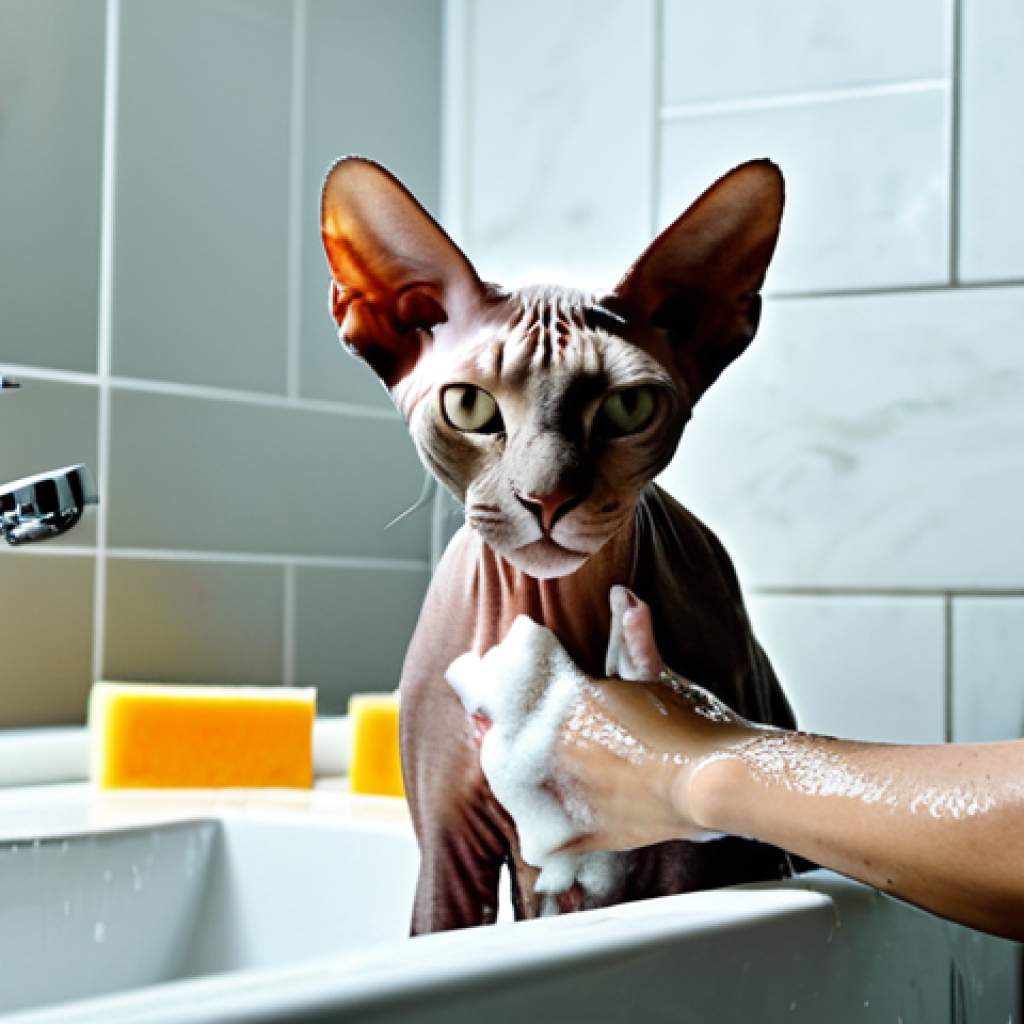
This isn’t a flaw; it’s a feature! And you know what else? They still produce oil, so they need baths – about once a week, or they’ll get a bit sticky.
Trust me, a greasy Sphynx isn’t the most pleasant experience. It’s like petting a warm, slightly oiled-up peach. One thing that genuinely surprised me when I first met a Sphynx was how warm they are.
They radiate heat! It’s because they don’t have fur to trap their body heat, so it’s all coming right off their skin. It’s like having a little, purring hot water bottle.
People sometimes compare them to suede, but that’s not quite right. It’s more like a very fine, soft chamois leather. Some have a very fine downy fuzz, almost like peach fuzz, while others are completely bare.
The Wrinkle Factor
The amount of wrinkling can vary a lot. Some Sphynx cats look like they’ve been permanently scrunched up, while others have just a few elegant folds. The wrinkling is most prominent when they’re kittens, and it tends to smooth out a little as they get older.
I think the wrinkles add a lot to their character; it’s like they’re permanently expressing wisdom and contemplation, even when they’re just chasing a laser pointer.
One thing to keep in mind is that those wrinkles need cleaning. Dirt and oil can get trapped in the folds, which can lead to skin problems. So, regular baths and gentle wiping of the wrinkles are essential.
The Heat is On
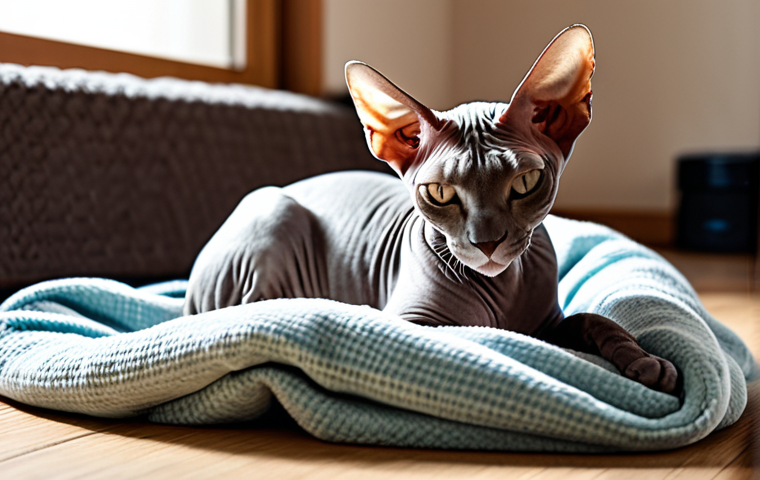
As I mentioned before, Sphynx cats are warm. This means they are always looking for the warmest spot in the house. Mine loves to snuggle under blankets, curl up in front of the radiator, and even try to sneak into the dryer when I’m doing laundry!
I’ve found that heated cat beds are a lifesaver, especially in the winter. It’s like a personal little spa for them. Another thing that I found is that you need to be careful about sunburn.
Sphynx cats are more susceptible to sunburn than other cats, so if they’re going to be spending time in a sunny spot, you need to apply a cat-safe sunscreen to their exposed skin.
The “Suede” Touch: Understanding the Sphynx Coat
The Sphynx isn’t truly hairless; rather, they are covered in a fine layer of down. This downy fuzz can feel like peach skin or soft suede to the touch.
The texture and density of this down can vary from cat to cat. Some may have a denser coat, while others feel almost completely bare. One common misconception is that Sphynx cats are hypoallergenic.
While they do produce less Fel d 1 protein (the primary cat allergen) than many other breeds, they still produce some. Individuals with cat allergies may still experience a reaction, though often a milder one.
I’ve known people with mild allergies who can tolerate Sphynx cats better than other breeds, but it’s always best to spend time with a Sphynx before committing to adopting one.
Color Variations in “Hairless” Cats
Even without fur, Sphynx cats display a wide range of colors and patterns. These colors are visible in their skin pigmentation. You’ll see everything from solid colors like black, white, and chocolate to tabby, tortoiseshell, and even calico patterns.
It’s fascinating to see how the patterns show up on their skin, almost like a living tattoo. The color is most noticeable on their nose, ears, paws, and scrotum.
This is because they still have a minimal amount of fur in those areas.
Grooming Needs and Coat Care
Caring for a Sphynx cat’s skin is crucial because they lack a fur coat to absorb skin oils. Regular baths, about once a week, are necessary to remove excess oil and dirt.
A gentle, hypoallergenic cat shampoo is recommended to avoid skin irritation. After bathing, thoroughly dry your Sphynx to prevent chills. I always use a soft towel and gently pat them dry, paying attention to the wrinkles and folds.
I’ve also found that they enjoy being wrapped in a warm towel after their bath, like a little burrito.
The Social Butterfly: Personality and Temperament
Sphynx cats are renowned for their outgoing and affectionate personalities. They are often described as dog-like due to their loyalty and desire to be near their human companions.
They are highly intelligent and enjoy interactive play, making them a joy to have around. From my experience, Sphynx cats thrive on attention and can become lonely if left alone for extended periods.
They’re the kind of cat that will greet you at the door, follow you around the house, and even try to join you in the shower (if you let them!).
The Velcro Cat Phenomenon
Sphynx cats have earned the nickname “Velcro cats” because they love to stick close to their owners. They crave human interaction and will often cuddle up on your lap, shoulder, or even sleep in your bed.
I’ve found that they are particularly fond of warmth, so they may even try to burrow under the covers with you. This Velcro-like behavior makes them wonderful companions for people who enjoy a lot of cat-human interaction.
Playful Antics and Intelligence
Sphynx cats are incredibly playful and intelligent. They enjoy a variety of toys and games, including puzzle toys, laser pointers, and interactive feeders.
I’ve found that they are quick learners and can even be trained to perform tricks. My Sphynx, for example, knows how to sit, stay, and fetch. They also enjoy climbing and exploring, so it’s important to provide them with plenty of vertical space, such as cat trees and shelves.
Health Considerations: What You Need to Know
While Sphynx cats are generally healthy, they are prone to certain genetic conditions. Hypertrophic cardiomyopathy (HCM) is a heart condition that is more prevalent in Sphynx cats than in some other breeds.
Regular veterinary check-ups, including cardiac screening, are essential for early detection and management. Additionally, because they lack a fur coat, Sphynx cats are more susceptible to sunburn, skin infections, and temperature sensitivity.
Common Genetic Issues
Hypertrophic cardiomyopathy (HCM) is a primary health concern for Sphynx cats. It’s a condition where the heart muscle thickens, making it harder for the heart to pump blood efficiently.
Responsible breeders screen their cats for HCM to minimize the risk of passing the condition on to their offspring. In addition to HCM, Sphynx cats can also be prone to other genetic conditions, such as patellar luxation (dislocated kneecap) and hereditary myopathy (muscle weakness).
Preventative Care Tips
To keep your Sphynx cat healthy, regular veterinary check-ups are crucial. These check-ups should include a thorough physical examination, as well as screening for common health problems.
It’s also important to provide your Sphynx cat with a high-quality diet, fresh water, and plenty of exercise. You need to protect their skin from sun damage by applying a cat-safe sunscreen to exposed areas when they’re outside.
The Price of Beauty: Cost and Acquisition
Acquiring a Sphynx cat can be a significant investment. The price of a Sphynx kitten from a reputable breeder can range from $1,800 to $3,000 or more, depending on factors such as lineage, pedigree, and show potential.
Additionally, ongoing costs such as food, veterinary care, grooming supplies, and toys should be considered. While the initial cost may seem high, the unique companionship and affection provided by a Sphynx cat can be well worth the investment.
Finding a Reputable Breeder
When purchasing a Sphynx kitten, it is essential to find a reputable breeder who prioritizes the health and well-being of their cats. A responsible breeder will screen their cats for genetic conditions, provide proper veterinary care, and socialize their kittens from a young age.
They will also be knowledgeable about the breed and willing to answer any questions you may have. Avoid breeders who seem primarily motivated by profit or who are unwilling to provide health records or allow you to visit their cattery.
Adoption Options
While purchasing a Sphynx kitten from a breeder is one option, adopting a Sphynx cat from a rescue organization is another possibility. Adoption fees are typically lower than the purchase price from a breeder, and you would be giving a deserving cat a loving home.
You need to search online databases, such as Petfinder or Adopt-a-Pet. It’s always a great idea to contact local cat rescues and shelters to inquire about available Sphynx cats.
Keep in mind that Sphynx cats in rescues may have unknown histories or health issues, so it’s important to have them thoroughly examined by a veterinarian.
Sphynx Through the Seasons: Adapting to Different Climates
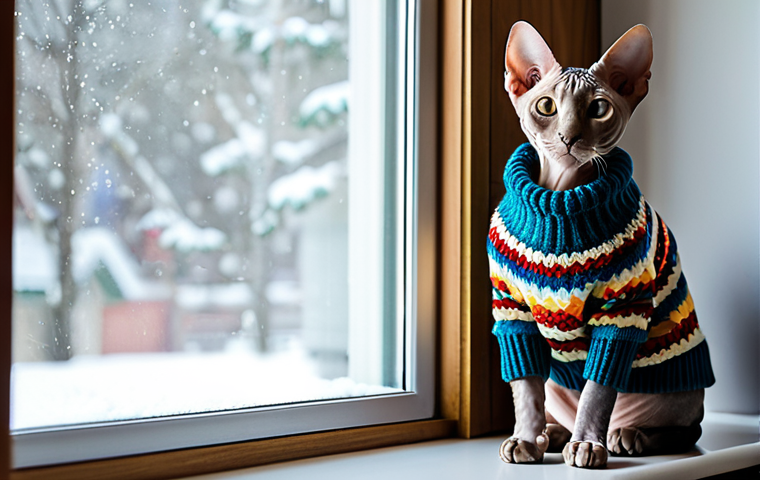
Living with a Sphynx cat requires you to consider their unique needs in different climates. In colder months, providing extra warmth is crucial. Sweaters, heated beds, and cozy blankets can help them stay comfortable.
Conversely, in warmer months, protecting them from sunburn is essential. Cat-safe sunscreen and limited sun exposure can prevent skin damage.
Winter Warmth Essentials
During the winter months, I make sure to keep my Sphynx cat warm by providing her with a heated cat bed. I also dress her in sweaters when the temperature drops.
I’ve found that she enjoys snuggling under blankets, so I always make sure there are plenty of cozy spots for her to curl up. It’s also important to keep the house at a comfortable temperature and avoid drafts.
Summer Sun Protection
In the summer, it is very important to protect Sphynx cats from sun exposure. I apply a cat-safe sunscreen to her exposed skin before she goes outside.
I also limit her time in direct sunlight and provide her with plenty of shade. I’ve found that she enjoys spending time indoors during the hottest part of the day.
You should ensure they always have access to fresh water, as they can become dehydrated quickly in hot weather.
Sphynx vs. Other Breeds: A Comparative Glance
Sphynx cats differ significantly from other breeds in terms of appearance, grooming needs, and temperament. Compared to long-haired breeds like Persians or Maine Coons, Sphynx cats require more frequent bathing due to their lack of fur.
Unlike aloof breeds like British Shorthairs, Sphynx cats are typically more outgoing and affectionate. Here’s a quick comparison table:
| Feature | Sphynx | Persian | British Shorthair |
|---|---|---|---|
| Coat | Near Hairless | Long, Thick | Short, Dense |
| Grooming | Weekly Baths | Daily Brushing | Weekly Brushing |
| Temperament | Affectionate, Social | Calm, Docile | Independent, Reserved |
| Health Concerns | HCM, Skin Issues | Polycystic Kidney Disease | HCM |
Debunking the Myths: Separating Fact from Fiction
There are many myths and misconceptions surrounding Sphynx cats. One common myth is that they are completely hairless, which is not true. They do have a fine layer of down.
Another myth is that they are hypoallergenic, which is also not entirely accurate. While they produce less Fel d 1 protein, they still produce some. Understanding the true nature of Sphynx cats can help potential owners make informed decisions.
Myth: Completely Hairless
As mentioned earlier, Sphynx cats are not completely hairless. They have a fine layer of down that gives them a soft, suede-like feel. This downy fuzz is often more noticeable in kittens and may become less apparent as they mature.
If you look closely, you can see the tiny hairs on their skin, especially around their nose, ears, and paws.
Myth: Hypoallergenic
While Sphynx cats produce less Fel d 1 protein than many other breeds, they are not truly hypoallergenic. People with cat allergies may still experience a reaction, though often a milder one.
It’s best to spend time with a Sphynx before committing to adopting one if you have allergies. You can test your reaction by petting the cat, holding it, and spending some time in the same room.
I hope this comprehensive guide has provided you with a better understanding of Sphynx cats!
In Conclusion
Owning a Sphynx cat is a unique and rewarding experience. These affectionate and intelligent cats make wonderful companions for those who are prepared to meet their specific needs. From regular baths to sun protection, caring for a Sphynx requires dedication and attention. But in return, you’ll receive unconditional love and endless entertainment from these extraordinary felines.
Whether you’re drawn to their unusual appearance or their endearing personalities, Sphynx cats offer a one-of-a-kind bond that you won’t find with other breeds. Embrace the wrinkle, cherish the warmth, and prepare for a lifetime of cuddles with your very own Velcro cat!
Handy Tips and Facts
1. Sphynx cats need regular ear cleaning due to a buildup of wax and oils, since they lack ear hair to filter debris.
2. Invest in soft, washable cat sweaters to keep your Sphynx warm during chilly evenings. Think of it as adding to their wardrobe!
3. Use unscented, hypoallergenic laundry detergent when washing their bedding and clothes to prevent skin irritation.
4. Introduce nail trimming early in their life to make it a stress-free experience. Regular nail trims are important because they scratch a lot!
5. Keep a water fountain readily available. Sphynx cats are more inclined to stay hydrated when they can easily access running water.
Key Takeaways
Sphynx cats require regular bathing (about once a week) to remove excess skin oils.
They are prone to sunburn, so always apply cat-safe sunscreen before outdoor exposure.
Due to their lack of fur, they need to be kept warm, especially during winter months.
They are highly social and thrive on human interaction.
Be prepared for higher initial and ongoing costs compared to other breeds.
Frequently Asked Questions (FAQ) 📖
Q: Are Sphynx cats really hypoallergenic?
A: Okay, so here’s the deal: while Sphynx cats produce less of the Fel d 1 protein (the major cat allergen) than many other breeds, no cat is completely hypoallergenic.
I’ve heard people with mild allergies have had success with them, probably because they lack fur and don’t spread as much dander around. But if you’re seriously allergic, spend some time with a Sphynx before bringing one home, just to be sure.
My friend’s sister thought she was in the clear, but ended up needing an allergy shot every week!
Q: Do Sphynx cats need special care because they don’t have fur?
A: Absolutely! Imagine walking around naked all the time – you’d need extra moisturizer and sunscreen, right? Same goes for Sphynx cats.
They need regular baths (usually once a week) to prevent skin oils from building up and causing problems. They also get cold easily, so you’ll probably find them hogging the sunniest spot in the house or snuggling under blankets.
I even saw one decked out in a tiny sweater once – too cute! And because they don’t have fur to protect them, you gotta be extra careful about sunburn.
Q: Are Sphynx cats expensive?
A: Yeah, they tend to be pricier than your average kitty. I’ve seen Sphynx kittens from reputable breeders going for anywhere between $2,000 to $3,000, sometimes even more!
This is partly because they’re a relatively rare breed and partly because ethical breeders invest a lot in health testing and caring for their cats. On top of the initial cost, keep in mind the special care they require, like specific shampoos and maybe even those adorable little sweaters I mentioned.
It’s an investment, but I think their unique personalities and affectionate nature make it worth it for the right person.
📚 References
Wikipedia Encyclopedia