Dreaming of a colorful, chatty companion to brighten your days? Parrots are truly amazing, with personalities as vibrant as their feathers, bringing so much joy into our homes!
But, let’s talk real talk – the first thing many of us wonder is, “How much does one actually cost?” It’s not a simple price tag, I’ve learned, as the investment can swing wildly depending on the species, age, and even where you live.
From a sweet Budgie to a majestic Macaw, understanding the financial commitment is key. Having personally navigated this feathered financial jungle, I’m here to lay out all the up-to-date insights for you.
Let’s uncover the true cost of bringing a parrot into your life!
Understanding the Initial Investment: The Parrot Itself
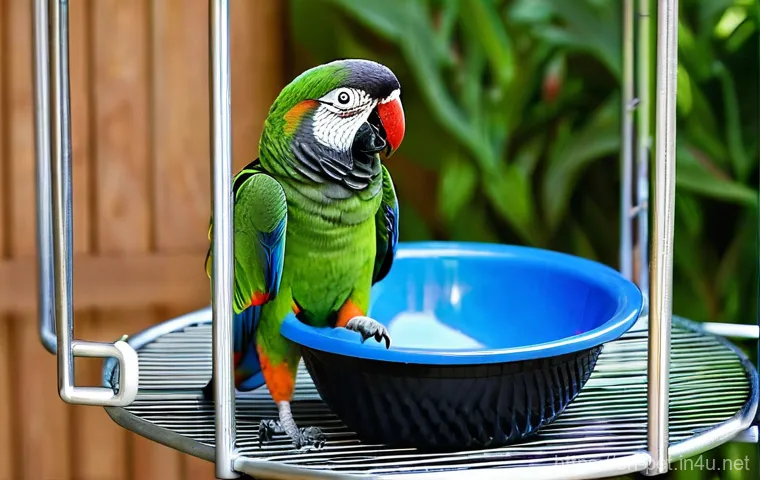
Small but Mighty: The Budget-Friendly Companions
When I first started my journey into the wonderful world of parrots, I genuinely thought a “parrot” meant one kind of bird with one kind of price tag.
Boy, was I wrong! It’s like comparing a compact car to a luxury SUV – both get you from A to B, but the experience and the cost are wildly different. For those dipping their toes into parrot ownership, smaller species like Budgies (Parakeets) or Cockatiels are often the gentle introduction many of us need.
I remember finding my first Budgie, Pip, for around $20 at a local pet store. It felt like a steal! These little guys are fantastic for first-time owners because their initial purchase price is significantly lower, typically ranging from $20 to $60 for a Budgie and perhaps $80 to $200 for a Cockatiel, depending on color mutations or whether they’re hand-tamed.
It’s truly amazing how much personality can be packed into such a small bird, and the affordability makes them accessible to so many. Don’t let the lower price fool you, though; these tiny birds still require a lot of love, attention, and proper care, just like their larger cousins.
It’s not just about the bird itself, but the commitment to its well-being that truly counts, and I quickly learned that the initial outlay was just the beginning of a beautiful, feathered friendship.
The Grandeur of Larger Species: A Significant Commitment
Now, if you’re dreaming a bit bigger, like I eventually did, and envision a majestic Macaw or a chatty African Grey gracing your home, prepare for a more substantial financial commitment.
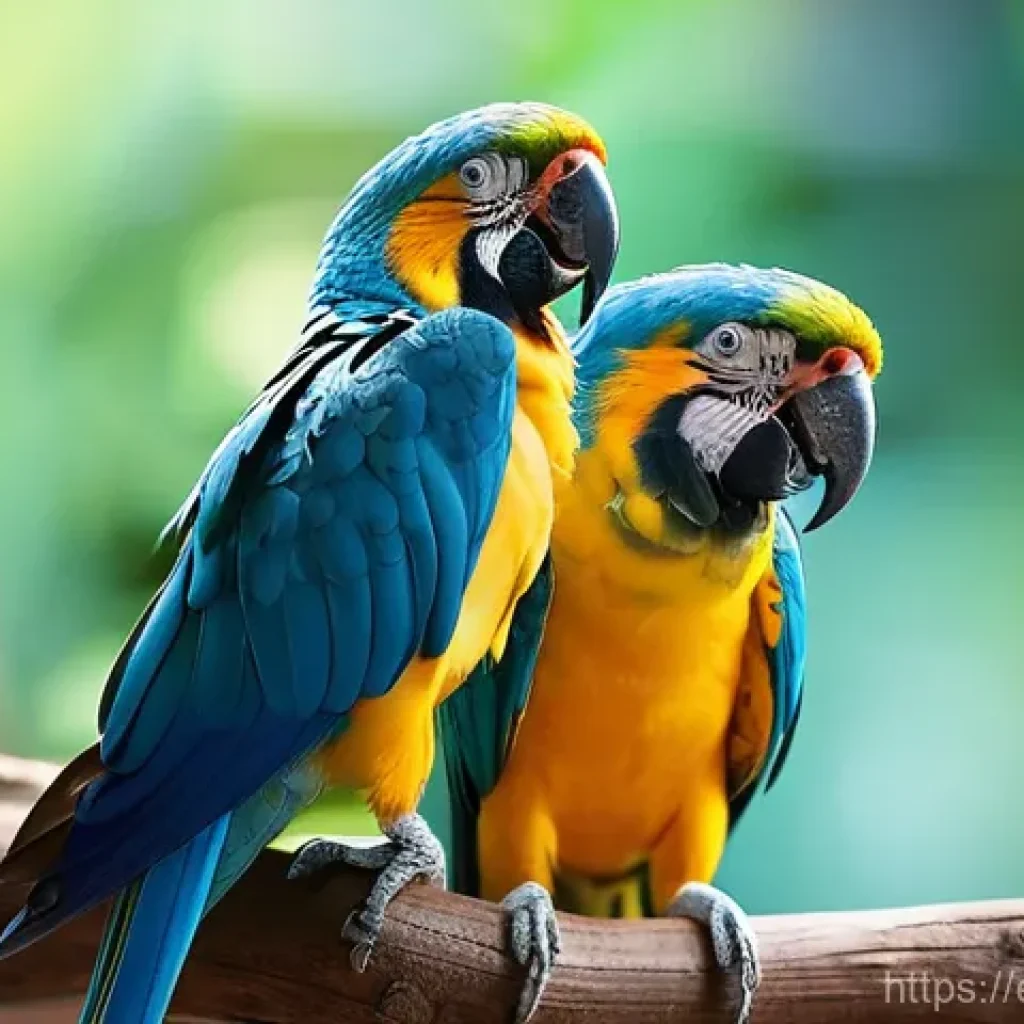
These magnificent birds are truly living jewels, and their price reflects their rarity, intelligence, and longevity. I vividly recall the first time I saw a Blue and Gold Macaw up close; its vibrant colors and intelligent eyes just captivated me, but then I saw the price tag and nearly fainted!
For larger parrots, you’re generally looking at several hundred to several thousand dollars. An African Grey, known for its incredible talking abilities, might cost anywhere from $1,000 to $4,000.
Cockatoos, with their affectionate nature and striking crests, can range from $800 to $5,000, depending on the specific species like a Moluccan or Umbrella Cockatoo.
Macaws, the true giants of the parrot world, often command prices from $1,500 all the way up to $15,000 or more for rare or highly sought-after varieties.
It’s a huge investment, no doubt about it, and it’s essential to understand that this isn’t just a pet; it’s a lifelong companion, often living for decades.
My personal experience has shown me that researching reputable breeders and ensuring the bird’s health and background are paramount when making such a significant purchase.
Setting Up Their Sanctuary: Cages and Accessories
The Home Sweet Home: Choosing the Right Cage
After the initial thrill of choosing your feathered friend, the next big hurdle (and cost!) is finding them a suitable home. This isn’t just any cage; it’s their sanctuary, their primary living space, and it needs to be perfectly sized and safe.
Believe me, I made the mistake once of getting a cage that was “good enough” for a small parrot, only to realize very quickly that “good enough” is rarely actually good enough when it comes to their comfort and well-being.
For a Budgie or a Lovebird, you might get away with a decent cage for $50 to $150. But as you scale up to a Cockatiel or a Conure, you’re looking at $150 to $400 for something appropriate.
My own experience with a larger parrot taught me that cutting corners here is a massive disservice to your bird. For an African Grey, Amazon, or a Cockatoo, a spacious, sturdy cage made of non-toxic materials can easily run you $400 to $1,500, or even more for custom builds or top-tier brands.
And for a Macaw? You’re entering the realm of fortress-like enclosures that can cost upwards of $1,000 to $3,000, sometimes requiring a dedicated room or a custom aviary.
It’s not just about the size either; bar spacing, door latches (because some of these birds are escape artists!), and ease of cleaning are all critical factors that contribute to the price.
Feathered Furnishings: Toys, Perches, and Bowls
Beyond the cage itself, imagine moving into an empty house – that’s what a bare cage is like for a parrot! They need enrichment, stimulation, and comfort, which means outfitting their home with perches, toys, food bowls, and water dishes.
And let me tell you, this can quickly add up. When I first brought home my Quaker Parrot, Sunny, I thought a few basic perches and a couple of toys would suffice.
Oh, how naive I was! Parrots are incredibly intelligent and need constant mental stimulation to prevent boredom and destructive behaviors. Starter kits for smaller birds might be $20-$50, but you’ll soon find yourself spending $10-$30 on individual toys regularly, as they chew through them or get bored.
Larger parrots require much more robust and often more expensive toys, sometimes costing $30-$100 per item, especially for durable, chew-proof options made from safe materials.
Perches are crucial for foot health; I always recommend having a variety of natural wood perches of different diameters, which can cost $5-$30 each. Stainless steel food and water bowls are a must for hygiene, and a good set might be $20-$50.
Don’t forget a play stand outside the cage for supervised out-of-cage time, which can be another $50-$300. This ongoing investment in their environment is vital for their happiness and health, and it’s something I’ve learned never to skimp on.
Nourishing Their Vibrant Lives: Food Costs
The Daily Feast: Quality Pellets and Seeds
Feeding a parrot isn’t as simple as tossing in some birdseed; in fact, relying solely on a seed diet is one of the biggest mistakes new owners make, and I certainly had to adjust my thinking early on.
A high-quality, balanced diet is paramount for a parrot’s health, vitality, and beautiful plumage, and it’s an ongoing cost that really adds up over their long lifespan.
The cornerstone of a good parrot diet is usually a high-quality pelleted food, formulated to provide essential nutrients. For smaller birds like Budgies, a bag of pellets might cost $10-$20 and last a month or two.
But for larger parrots, those bags get bigger, and so does the price tag. A large bag of premium pellets for an African Grey or a Macaw can easily run $30-$60 and might only last a few weeks, depending on the bird’s appetite.
I’ve found that investing in good food truly pays off in terms of fewer vet visits and a happier, more energetic bird. While pellets are essential, a small amount of high-quality seed mix can be offered as a treat, but it shouldn’t be the main diet.
My birds absolutely light up when they see their favorite seeds, and I use them sparingly for training and enrichment.
Fresh Delights: Fruits, Vegetables, and Supplements
Beyond pellets and a little seed, a parrot’s diet should be brimming with fresh fruits, vegetables, and occasional healthy treats. This is where your grocery bill will see a noticeable bump!
Think about all the vibrant, healthy foods we eat – leafy greens, bell peppers, carrots, apples, berries, and more. Parrots need a similar variety to thrive.
I spend a significant portion of my weekly grocery budget on fresh produce specifically for my parrots, often buying organic when possible to avoid pesticides.
This can add an extra $20-$50 per week to your food expenses, especially if you have larger birds or multiple parrots. Some days, it feels like they eat better than I do!
Additionally, some parrots may require dietary supplements, such as calcium or vitamins, especially if they are on a less-than-perfect diet or have specific health needs.
These can range from $10-$30 and last several months. It’s a joy to watch them eagerly munch on a piece of fresh apple or a juicy grape, and knowing I’m providing them with the best possible nutrition makes every penny worth it.
Protecting Their Health: Veterinary Care Expenses
The Essential Annual Check-ups and Preventative Care
Just like us, parrots need regular check-ups to stay in tip-top shape. This is an area where I absolutely do not compromise, because catching potential health issues early can save both heartache and a lot of money down the line.
Finding an avian veterinarian – a vet specializing in birds – is crucial, and it’s not always easy. Their expertise comes at a cost, but it’s an investment in your parrot’s longevity.
An annual wellness exam for a parrot can range from $75 to $200, depending on your location and the vet’s practice. This usually includes a physical exam, and often a basic fecal test.
I always opt for a comprehensive annual exam, which might include blood work or other preventative screenings, especially as my birds get older. These additional tests can add another $100-$300 to the bill.
It might seem like a lot for a bird, but considering how long parrots live, ensuring their health annually is key to a long, happy life together. It’s a small price to pay for peace of mind and knowing my feathered companions are healthy.
Unexpected Illnesses and Emergency Situations
Ah, the unpredictable twists and turns of life! Despite our best efforts and preventative care, sometimes our beloved birds get sick or have an accident.
And when they do, emergency vet visits can be incredibly expensive. I’ve had my share of scares – a sudden lethargy, an unexplained feather pluck, a minor injury – and each time, my heart was in my throat.
An emergency visit to an avian vet can easily start at $150-$300 just for the consultation, not including any tests, medications, or procedures. Diagnostic tests like X-rays, blood work, or cultures can add another $100-$500.
Surgeries, if needed, can quickly climb into the thousands. For example, a common issue like egg binding in female birds, if it requires surgical intervention, could be $500 to $2,000.
It’s situations like these where I’ve personally felt the sting of unexpected costs, but seeing my parrot recover makes every cent worth it. This is why I always advise new parrot owners to have an emergency fund specifically for their bird’s health, or at least be prepared for these potential costs.
The Hidden Gems: Miscellaneous but Essential Costs
Education and Enrichment Materials

You might think once you have the bird, the cage, and the food, you’re all set, right? Wrong! One of the most overlooked but vital investments is in your own education and materials for your parrot’s enrichment.
Parrots are incredibly intelligent creatures, and they thrive on mental stimulation. I’ve spent countless hours reading books, watching educational videos, and attending workshops to better understand parrot behavior, training, and care.
Books on parrot care and training can cost $15-$40 each. Online courses or subscriptions to reputable avian resources might be $50-$200 annually. Then there are the training treats, clickers, and foraging toys – all designed to keep their minds sharp and prevent boredom, which can lead to behavioral issues.
A set of foraging toys can be $20-$100, and trust me, they’re worth every penny for preventing destructive behaviors. My birds love a good puzzle toy filled with their favorite treats, and it’s amazing to watch them figure it out.
This investment in their mental well-being and your knowledge as an owner is truly invaluable.
Grooming and Socialization
While many of us can handle basic grooming at home, such as nail trims, sometimes professional help is needed, especially for wing trims or beak trims, which should only be done by an experienced avian vet or groomer.
A professional nail trim might be $10-$30, and a wing trim, if you choose to do it (which is a personal decision for many owners), could be $20-$50. Beyond grooming, consider the cost of socialization.
If you’re a busy individual, you might consider parrot daycare or a pet sitter if you travel. These services can range from $20-$50 per day, or $100-$300 for a week, and are essential to ensure your parrot remains socialized and well-cared for in your absence.
I’ve personally used a trusted parrot sitter when I’ve gone on vacation, and it provides immense peace of mind knowing my feathered family is in good hands and getting the attention they need.
It’s all part of the holistic approach to parrot care that goes far beyond just providing food and shelter.
Long-Term Planning: The Lifetime Financial Commitment
The Decades-Long Relationship
This is where the true financial reality of parrot ownership really sinks in: their incredible longevity. We’re not talking about a pet that lives for a few years; many parrot species can live for 30, 50, or even 80 years or more!
My African Grey, Echo, is already 15, and I fully expect her to be part of my life for many decades to come, potentially even outliving me. This means you’re committing to ongoing expenses for a significant portion of your life, or even planning for their care in your will.
Over such a long lifespan, those annual food bills, vet check-ups, and toy replacements really accumulate. Imagine spending $500 a year on food, toys, and minor vet visits for 50 years – that’s $25,000!
And that doesn’t even account for inflation or unexpected major medical expenses. This long-term commitment is something I always emphasize to aspiring parrot owners.
It’s a beautiful, rewarding journey, but it requires careful financial planning and a deep understanding of the responsibilities involved.
Financial Preparedness and Future Planning
To truly be prepared for parrot ownership, it’s not enough to just cover the immediate costs. You need a long-term financial strategy. I always recommend establishing a dedicated savings fund for your parrot’s future needs.
This emergency fund can be a lifesaver for unexpected vet bills or major cage upgrades. Some owners even look into pet insurance for their birds, though options can be limited and vary widely in coverage and cost, usually ranging from $15-$50 per month depending on the plan and species.
While I haven’t personally opted for pet insurance for my birds, I do maintain a robust emergency fund. Furthermore, it’s wise to consider who would care for your parrot if you were no longer able to.
This might involve setting up a trust or making arrangements with trusted family members or friends, and sometimes, this can involve legal fees or providing financial support for their care.
The emotional return from these intelligent, affectionate creatures is immeasurable, but the financial commitment is equally significant and requires foresight.
A Glimpse into the Costs: What to Expect Annually
To give you a clearer picture, I’ve put together a little snapshot of what annual costs can look like. Remember, these are estimates, and the actual figures can swing wildly based on your bird’s species, size, health, and your personal choices in care.
My own birds definitely have their preferences, which sometimes means splurging a bit more on their favorite organic treats!
| Expense Category | Small Parrot (e.g., Budgie, Cockatiel) | Medium Parrot (e.g., Conure, Quaker) | Large Parrot (e.g., African Grey, Amazon) | Extra Large Parrot (e.g., Macaw, Cockatoo) |
|---|---|---|---|---|
| Food (Pellets, Seeds, Fresh Produce) | $200 – $400 | $400 – $700 | $700 – $1,200 | $1,000 – $2,000+ |
| Toys & Enrichment | $100 – $250 | $200 – $400 | $300 – $700 | $500 – $1,000+ |
| Routine Vet Care (Annual Check-up) | $75 – $150 | $100 – $200 | $150 – $300 | $200 – $400+ |
| Grooming (Nail/Wing Trim, if needed) | $20 – $50 | $30 – $70 | $40 – $100 | $50 – $150+ |
| Subtotal (Annual Estimated) | $395 – $850 | $730 – $1,370 | $1,190 – $2,300 | $1,750 – $3,550+ |
| Emergency Fund (Recommended Annual Savings) | $100 – $200 | $200 – $400 | $300 – $700 | $500 – $1,000+ |
| Total Annual Consideration | $495 – $1,050 | $930 – $1,770 | $1,490 – $3,000 | $2,250 – $4,550+ |
This table doesn’t even include the initial cage purchase or a one-time big vet bill, which can easily throw these numbers off. But it gives you a baseline for what you can realistically expect to budget on an ongoing basis.
It’s a lot to consider, but knowing these figures upfront really helps in making an informed decision.
Beyond the Dollars: The True Value of a Parrot
The Unquantifiable Joys and Challenges
While we’ve delved deep into the financial side of parrot ownership, it’s absolutely crucial to remember that some things simply can’t be measured in dollars and cents.
The joy, companionship, laughter, and sometimes, yes, the absolute exasperation that a parrot brings into your life are priceless. I’ve personally experienced the profound bond that forms with these intelligent creatures; watching them learn new words, solve puzzles, or simply cuddle up for a head scratch fills my heart in a way few other experiences can.
They truly become part of your family, with personalities as distinct and complex as any human’s. However, let’s be real – it’s not all rainbows and sunshine.
There are screeching moments, chewed furniture, and the occasional “why did I ever get a bird?” thought that flashes through your mind. These challenges are part of the journey, and overcoming them strengthens the bond you share.
The emotional investment is just as significant as the financial one, if not more so, and it’s something I wouldn’t trade for anything.
A Lifelong Commitment: Time, Patience, and Love
Ultimately, the “cost” of a parrot extends far beyond money. It’s a profound, lifelong commitment of your time, patience, and boundless love. These birds are incredibly social and intelligent, requiring daily interaction, training, and mental stimulation.
My parrots demand my attention, and rightly so! Skipping playtime or ignoring their bids for interaction isn’t an option if you want a well-adjusted, happy bird.
They need consistent training, a structured routine, and an environment that fosters their natural behaviors. This means hours spent together, teaching tricks, talking, or simply coexisting in the same room.
I’ve learned that patience is truly a virtue when owning a parrot; understanding their nuances, interpreting their body language, and building trust takes time and effort.
It’s a journey of mutual learning and respect, and the rewards, in terms of unconditional affection and a vibrant presence in your home, are truly immeasurable.
It’s a beautiful investment, not just of your wallet, but of your heart and soul.
Closing Thoughts
Whew! We’ve taken quite a deep dive into the financial waters of parrot ownership, haven’t we? It’s a journey filled with incredible highs and, let’s be honest, a few significant costs along the way. My hope is that this honest look at the expenses involved doesn’t deter you, but rather empowers you to make an informed, confident decision. These feathered companions offer so much more than just a beautiful presence in our homes; they offer deep emotional connections, endless entertainment, and a unique kind of love. The financial commitment, while substantial, is ultimately an investment in a relationship that can enrich your life for decades. Always remember, preparation is key, and the rewards are truly beyond measure!
Useful Information to Know
1. Before you even think about bringing a parrot home, immerse yourself in research about various species. I made the mistake early on of falling for a bird’s beauty without fully understanding its specific needs, lifespan, and temperament. Every parrot, from a tiny Budgie to a magnificent Macaw, has unique requirements regarding diet, cage size, socialization, and noise levels. Spend time on reputable avian forums, read books written by experienced parrot owners, and watch educational videos. Understanding these nuances upfront can save you countless headaches and expenses down the road, ensuring you choose a companion that truly fits your lifestyle and that you can provide for adequately. Don’t rush the decision; the more you know, the better prepared you’ll be for the beautiful, lifelong journey ahead. It’s like test-driving a car; you wouldn’t just buy the first one you see without knowing its features, right? The same goes for these intelligent creatures!
2. One of the most crucial steps you can take is to locate a qualified avian veterinarian *before* you even purchase your parrot. I cannot stress this enough! Finding a vet who specializes in birds can be a challenge, especially in rural areas, and you don’t want to be scrambling for help during an emergency. Avian vets have specialized training in bird anatomy, physiology, and common illnesses, which differs significantly from caring for cats and dogs. Call around, ask for recommendations from local parrot rescues or reputable breeders, and don’t hesitate to interview a potential vet to ensure they’re a good fit. My first avian vet was a godsend when my Cockatiel, Sunny, had a sudden respiratory issue; her quick diagnosis and treatment made all the difference. Having that trusted professional in your corner is invaluable for preventative care and unforeseen health crises, offering peace of mind that’s truly priceless.
3. Establish an emergency fund specifically for your parrot’s health. This is a non-negotiable piece of advice, based on my own experiences with unexpected vet bills. While pet insurance options for birds are growing, they don’t cover everything, and having immediate access to funds for diagnostics, medication, or emergency surgery is absolutely critical. I personally set aside a small amount each month into a separate savings account, and it has saved me from financial strain more times than I can count. Think of it as a safety net that allows you to make the best medical decisions for your feathered friend without the added stress of financial burden. A sudden illness or accident can easily run into hundreds or even thousands of dollars, and being prepared means you can focus on your bird’s recovery rather than worrying about the bill.
4. Never underestimate the power of socialization and consistent training. Parrots are incredibly intelligent and social creatures, and without proper interaction and mental stimulation, they can develop behavioral issues like feather plucking, screaming, or aggression. When I first got my African Grey, Echo, I thought simply having her near me was enough, but I quickly learned that dedicated playtime, training sessions, and opportunities for enrichment were vital. Spend at least an hour or two each day interacting directly with your bird, teaching them tricks, practicing recall, or simply talking to them. Invest in foraging toys and puzzle feeders to keep their sharp minds engaged. This commitment to their mental and emotional well-being not only prevents destructive behaviors but also strengthens your bond immeasurably. A well-socialized, trained parrot is a joy to live with, and the effort you put in truly comes back tenfold in their affection and good behavior.
5. Consider adoption from a reputable parrot rescue organization instead of purchasing from a breeder or pet store. While I’ve had wonderful experiences with ethical breeders, I’ve also seen the incredible work done by rescues. Many parrots end up in rescue situations through no fault of their own, often due to owners underestimating the commitment, or changes in life circumstances. These birds, often already hand-tamed and socialized, are desperately in need of loving forever homes. Adoption fees are typically lower than purchase prices, and most rescues provide thorough background information on the bird’s personality, history, and health. Plus, you get the immense satisfaction of giving a deserving bird a second chance at happiness. My friend adopted an older Amazon parrot, Captain, from a local rescue, and he’s been an absolute delight, proving that age is just a number when it comes to forming a deep connection. It’s a truly rewarding path to parrot ownership.
Key Takeaways
So, what’s the big picture here? Parrot ownership is an adventure, a commitment, and yes, a significant financial undertaking. From the initial investment in the bird itself and a spacious, safe cage, to ongoing costs for premium food, enriching toys, and essential veterinary care, the expenses are continuous. We’re talking about a decades-long relationship, which means planning for the long haul, including potential emergency funds and even future care arrangements. While the numbers might seem daunting, the emotional returns—the laughter, companionship, and unconditional love—are immeasurable. Approach parrot ownership with a full understanding of these costs, and you’ll be well-equipped to provide a happy, healthy, and fulfilling life for your extraordinary feathered friend. It’s truly a unique journey, and one that, for me, has been worth every single penny and every moment of dedicated care.
Frequently Asked Questions (FAQ) 📖
Q: So, what’s the real deal with the initial price tag for a parrot?
A: re we talking a few bucks or a small fortune? A1: Oh, this is the burning question, isn’t it? When I first started looking into bringing a feathered friend home, I quickly learned that the “price tag” for a parrot isn’t a one-size-fits-all kind of thing.
It’s more like a spectrum, stretching from surprisingly affordable to eye-wateringly expensive, and honestly, it can be a bit of a shocker! For instance, a charming little Budgie might set you back anywhere from $20 to $60, sometimes even less if you find a local breeder.
But then you jump to a sweet Cockatiel, and you’re typically looking at $100 to $300. Move up to a chatty Conure, and that range often widens to $300 to $800, depending on the specific type – think Green-Cheeked versus Sun Conure.
Now, for the superstars of the parrot world, like an African Grey or a majestic Macaw, prepare for a significant leap! These magnificent birds can easily cost anywhere from $1,000 to $4,000, or even more for certain rare color mutations or highly trained individuals.
The variation really boils down to factors like the species’ rarity, whether it’s hand-fed and socialized (which adds value!), the breeder’s reputation, and even your geographical location.
I remember finding huge price differences just by checking out breeders a couple of hours apart! It’s such an adventure just figuring out that first step.
Q: Okay, so I’ve got the bird! But everyone keeps saying the initial cost is just the beginning. What are the essential ongoing expenses I need to seriously budget for?
A: You are so right to ask this! This is where many new parrot parents get a surprise, myself included. While the initial purchase is a big hurdle, my experience shows that the day-to-day and month-to-month costs really add up and need consistent planning.
First up is food – and this isn’t just cheap birdseed! For a healthy, happy parrot, you’ll need high-quality pelleted food, fresh fruits, vegetables, and occasional treats.
Depending on your parrot’s size, this could run you anywhere from $30 to $100+ a month. Then there’s the cage; while it’s an upfront cost, accessories like perches, food bowls, and especially toys are ongoing.
Parrots are incredibly intelligent and destructive; they need toys to chew, shred, and play with to stay stimulated. I swear, sometimes it feels like I’m running a toy factory just to keep my bird entertained!
Budget at least $20-$50 a month for toy replacement, maybe more if you have a larger bird with an insatiable need to destroy. And please, don’t skimp on vet care!
Finding an avian vet is crucial, and regular check-ups (even yearly) are a must. A typical check-up might be $75-$150, but if your bird gets sick, those bills can quickly escalate into hundreds, even thousands.
Trust me, it’s worth having an emergency fund or looking into pet insurance just for this reason. My heart practically stopped when my little guy had a minor scare, and the specialist bill was quite something!
Q: Beyond food, toys, and vet visits, are there any “hidden” or unexpected costs that tend to sneak up on new parrot owners?
A: Oh, absolutely! And these are the ones that often catch people off guard, because they’re not always obvious until you’re living with a parrot. One big one I’ve personally experienced is the cost of damage control.
Parrots are curious, and those beaks are powerful! If your bird is out of its cage, expect potential damage to furniture, window sills, books, or even electronics.
I once came home to find a perfectly sculpted bite mark out of my favorite wooden bookshelf – a reminder that parrot-proofing your home can be an ongoing, sometimes costly, endeavor, whether it’s replacing items or investing in chew-proof covers.
Then there’s the time commitment, which isn’t a monetary cost but incredibly valuable. If you don’t have enough time, you might consider parrot daycares or trainers, which come with a fee.
Also, boarding! If you plan to travel, finding a reliable parrot sitter or a specialized boarding facility can range from $20 to $50 a day, depending on your location and the level of care needed.
And let’s not forget specialized cleaning supplies – parrot droppings can be messy, and you’ll want safe, effective cleaners specifically for avian environments.
It’s not just about what they eat but also what they do and how they impact your home. My biggest takeaway? The true cost isn’t just transactional; it’s a lifestyle adjustment and a constant investment in their well-being and your peace of mind!