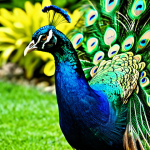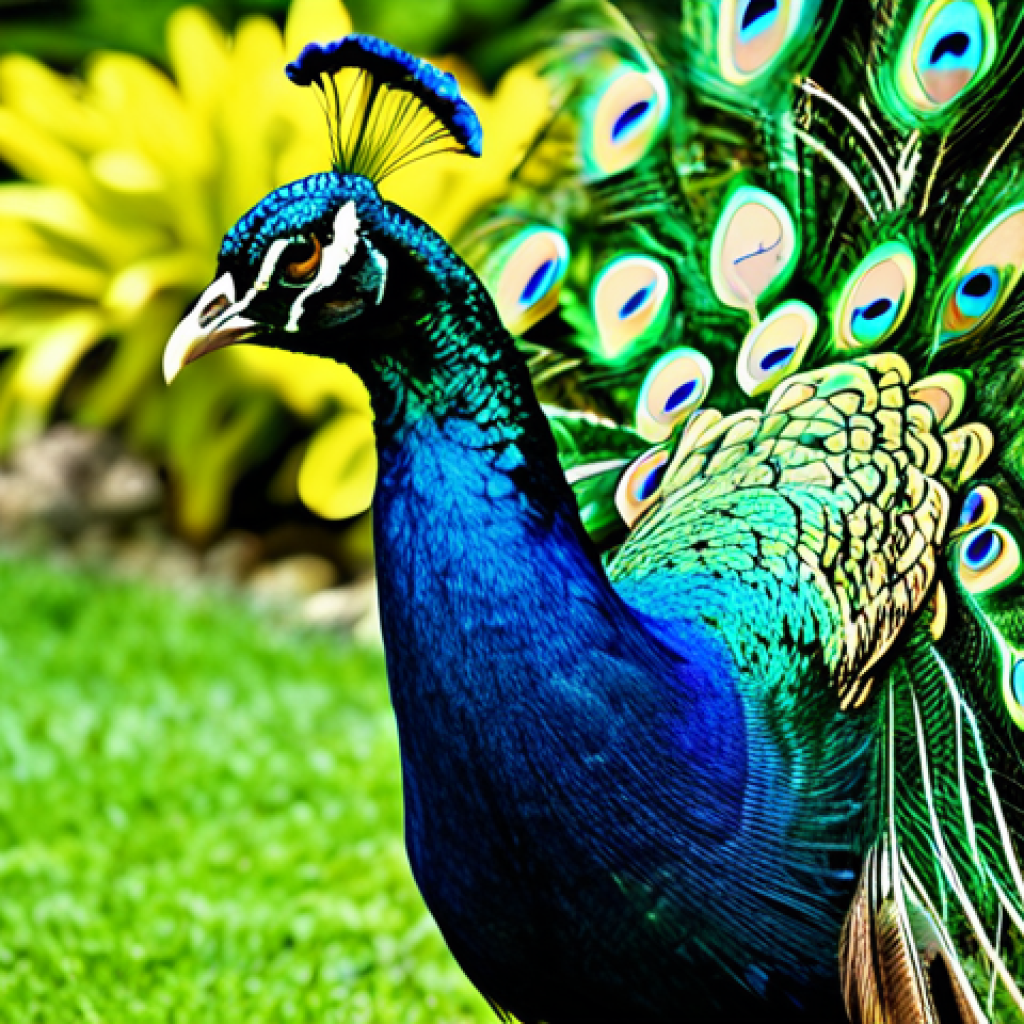
The iridescent shimmer of a peacock’s tail is a sight that stops you in your tracks. But have you ever wondered about the intricate journey those feathers take to reach such breathtaking splendor?
From the initial stages of development to the final, vibrant display, the process is a fascinating blend of genetics, hormones, and environmental factors.
It’s more than just pretty colors; it’s a story of evolution and survival, whispered in shades of emerald, sapphire, and gold. Recent studies even suggest that subtle nanostructures within the feathers play a crucial role in creating the iridescent effect, showcasing nature’s incredible engineering.
As global temperatures rise, some researchers are exploring how these feather structures might inspire innovations in thermal regulation technology. Understanding the peacock’s plumage development provides a unique window into the natural world and could even hold secrets to future technologies.
Let’s explore this captivating transformation in detail!
Peacock feathers, those mesmerizing arrays of color, are more than just pretty decorations. They are complex biological structures that undergo a fascinating development process.
From the moment a peacock chick begins to sprout its first plumage, a cascade of events unfolds at the cellular and molecular level, leading to the creation of the iconic tail feathers we all admire.
Having raised peacocks for a while now, I’ve been consistently amazed by this transformation and wanted to dive deeper into what makes these feathers so special.
Let’s unravel the secrets behind the making of a peacock’s iridescent masterpiece.
The Early Stages: Feather Follicle Formation
The journey of a peacock’s feather begins long before it’s visible to the naked eye. It starts with the development of feather follicles within the skin.
These follicles are tiny, specialized structures that will eventually give rise to individual feathers.
The Role of Genes and Signaling Pathways
From my own experience, I’ve seen how different peacocks can have slightly different feather patterns and colors. This is largely due to the complex interplay of genes that control follicle formation and feather development.
Specific genes are activated at precise times and locations, guiding the growth and shaping of the feather. Signaling pathways, which are essentially communication networks within cells, also play a crucial role.
These pathways ensure that the different components of the feather follicle develop in a coordinated manner.
The Formation of Barb Ridges
As the feather follicle matures, it begins to form barb ridges. These ridges are longitudinal structures that run along the length of the developing feather.
They are the precursors to the individual barbs that make up the feather’s vane. Each barb ridge contains cells that will differentiate into specific feather structures, such as the barbules and hooklets.
This early stage is crucial for setting the stage for the complex architecture of the feather.
The Importance of Nutrients
I’ve noticed that the quality of the peacock’s diet directly impacts the feather growth. If they aren’t getting proper nutrition, their feathers can be brittle and dull.
A diet rich in proteins, vitamins, and minerals is essential for the healthy development of feather follicles and the subsequent growth of strong, vibrant feathers.
The Development of Color Pigments
The vibrant colors of peacock feathers are not simply painted on; they are the result of complex biochemical processes within the feather cells. Two main types of pigments contribute to the coloration: melanins and carotenoids.
Melanin Production and Distribution
Melanins are responsible for the black, brown, and reddish-brown hues in feathers. The production of melanin is controlled by specialized cells called melanocytes.
These cells synthesize melanin and then transfer it to the developing feather cells. The type and amount of melanin produced determine the specific shade of the feather.
I’ve learned that factors like stress or illness can affect melanin production, leading to temporary changes in feather color.
Carotenoid Acquisition and Deposition
Carotenoids are responsible for the yellow, orange, and red colors in feathers. Unlike melanins, birds cannot synthesize carotenoids themselves. They must obtain them from their diet, typically from plants and insects.
Once ingested, carotenoids are transported to the feather follicles and deposited in the developing feathers. The specific type of carotenoid deposited determines the color of the feather.
Structural Coloration and Iridescence
The iridescent colors of peacock feathers are not due to pigments alone. They are primarily the result of structural coloration. This phenomenon occurs when light interacts with microscopic structures on the feather surface, causing certain wavelengths to be reflected more strongly than others.
In peacock feathers, tiny, regularly spaced structures called photonic crystals create the iridescent effect. When light hits these structures, it is diffracted and interferes with itself, resulting in the vibrant, shifting colors we see.
Feather Structure and the Role of Keratin
Peacock feathers, like all bird feathers, are primarily composed of keratin, a tough, fibrous protein that also makes up our hair and nails. The arrangement of keratin within the feather gives it its strength, flexibility, and unique shape.
The Formation of Barbs and Barbules
Each feather consists of a central shaft, called the rachis, and a vane made up of numerous barbs. The barbs are arranged parallel to each other and are connected by tiny, interlocking structures called barbules.
These barbules have hooklets that grab onto adjacent barbs, creating a smooth, cohesive surface. This intricate structure is essential for flight, insulation, and display.
The Role of Keratin in Feather Strength
The keratin protein is arranged in a highly organized manner within the feather, providing it with exceptional strength and flexibility. The keratin molecules are aligned along the length of the feather, making it resistant to bending and breaking.
The cross-linking of keratin molecules further strengthens the feather structure.
Feather Maintenance and Preening
I’ve often watched my peacocks meticulously preen their feathers. Preening is essential for maintaining feather health and integrity. During preening, peacocks use their beaks to remove dirt, parasites, and damaged feathers.
They also spread oil from a specialized gland near their tail onto their feathers, which helps to waterproof and protect them. Regular preening ensures that the feathers remain in optimal condition for display and flight.
Hormonal Influence on Feather Development
Hormones play a critical role in regulating feather development, particularly during the breeding season when peacocks display their elaborate tail feathers.
The Role of Testosterone
Testosterone, the primary male sex hormone, is essential for the development of the peacock’s long, ornate tail feathers. During the breeding season, testosterone levels surge, stimulating the growth and coloration of the tail feathers.
The size and quality of the tail feathers are directly related to the peacock’s testosterone levels.
Hormonal Control of Molting
Molting is the process of shedding old feathers and growing new ones. This process is also regulated by hormones. As testosterone levels decline at the end of the breeding season, peacocks begin to molt their tail feathers.
The molting process allows them to replace damaged or worn feathers with fresh, vibrant ones. I’ve noticed that the timing of molting can vary depending on the individual peacock and environmental factors.
Thyroid Hormones and Feather Growth
Thyroid hormones, which regulate metabolism, also play a role in feather growth. These hormones stimulate the production of keratin and other proteins necessary for feather development.
Thyroid hormone deficiencies can lead to poor feather growth and abnormal feather structure.
Environmental Factors Affecting Feather Quality
The environment in which a peacock lives can have a significant impact on the quality of its feathers. Factors such as diet, climate, and exposure to toxins can all influence feather development.
The Impact of Diet on Feather Color
As I mentioned earlier, the peacock’s diet plays a crucial role in determining the color of its feathers. A diet rich in carotenoids, such as those found in fruits and vegetables, is essential for producing vibrant yellow, orange, and red colors.
Deficiencies in essential nutrients can lead to dull, faded feathers.
The Effects of Climate on Feather Growth
Climate can also affect feather growth. In colder climates, peacocks tend to grow thicker, denser feathers to provide insulation. In warmer climates, their feathers may be thinner and less dense.
Extreme weather events, such as droughts or floods, can also stress peacocks and negatively impact feather quality.
Pollution and Feather Degradation
Exposure to pollution and toxins can damage peacock feathers. Air pollution can deposit harmful chemicals on the feathers, causing them to become brittle and discolored.
Water pollution can contaminate the peacock’s drinking water and food sources, leading to nutrient deficiencies and poor feather growth. Here’s a quick reference table summarizing the key factors affecting peacock feather development:
| Factor | Description | Impact on Feathers |
|---|---|---|
| Genetics | Genes control follicle formation and feather development. | Determines feather patterns and colors. |
| Hormones | Testosterone and thyroid hormones regulate feather growth. | Influences size, color, and molting. |
| Diet | Nutrients like proteins, vitamins, and carotenoids are essential. | Affects feather strength and color vibrancy. |
| Environment | Climate and exposure to toxins can impact feather quality. | Influences feather density and overall health. |
The Significance of Feather Display in Mating Rituals
The peacock’s elaborate tail feathers are not just for show; they play a crucial role in attracting mates. The size, color, and symmetry of the tail feathers are all indicators of the peacock’s health and genetic fitness.
Peahens’ Preference for Ornate Tails
Peahens, the female peacocks, are highly selective when choosing a mate. They prefer peacocks with large, symmetrical tail feathers that are brightly colored and free of defects.
These traits signal that the peacock is healthy, strong, and possesses good genes.
The Role of Feather Symmetry
Feather symmetry is particularly important to peahens. Symmetrical tail feathers indicate that the peacock has developed properly and is free of developmental abnormalities.
Peahens are more likely to choose a mate with symmetrical tail feathers, as this suggests that the peacock will pass on good genes to its offspring.
Visual Signaling and Mate Selection
The peacock’s tail feathers serve as a visual signal to peahens, communicating information about its quality as a mate. The more elaborate and impressive the tail feathers, the more likely the peacock is to attract a mate.
The peacock’s display is a complex combination of visual cues, behavior, and vocalizations, all designed to impress potential mates.
Future Research and Conservation Efforts
Understanding the development of peacock feathers is not just an academic exercise; it has important implications for conservation efforts.
Studying Feather Development to Understand Bird Health
By studying the development of peacock feathers, scientists can gain insights into the health and well-being of birds in general. Feather abnormalities can be indicators of underlying health problems, such as nutrient deficiencies, exposure to toxins, or genetic disorders.
Monitoring feather quality can help conservationists assess the health of bird populations and identify potential threats.
Protecting Peacock Habitats
Peacocks are native to certain regions of Asia, and their populations are threatened by habitat loss and degradation. Protecting peacock habitats is essential for ensuring the survival of these magnificent birds.
Conservation efforts should focus on preserving and restoring peacock habitats, as well as reducing threats such as poaching and pollution.
Educating the Public About Peacock Conservation
Raising awareness about the importance of peacock conservation is crucial for garnering public support. Educating the public about the threats facing peacocks and the steps that can be taken to protect them can help to ensure the long-term survival of these iconic birds.
The peacock’s feather development is a truly remarkable process, a testament to the beauty and complexity of nature. By understanding this process, we can gain a deeper appreciation for these magnificent birds and contribute to their conservation.
Peacock feathers, those mesmerizing arrays of color, are more than just pretty decorations. They are complex biological structures that undergo a fascinating development process.
From the moment a peacock chick begins to sprout its first plumage, a cascade of events unfolds at the cellular and molecular level, leading to the creation of the iconic tail feathers we all admire.
Having raised peacocks for a while now, I’ve been consistently amazed by this transformation and wanted to dive deeper into what makes these feathers so special.
Let’s unravel the secrets behind the making of a peacock’s iridescent masterpiece.
The Early Stages: Feather Follicle Formation
The journey of a peacock’s feather begins long before it’s visible to the naked eye. It starts with the development of feather follicles within the skin. These follicles are tiny, specialized structures that will eventually give rise to individual feathers.
The Role of Genes and Signaling Pathways
From my own experience, I’ve seen how different peacocks can have slightly different feather patterns and colors. This is largely due to the complex interplay of genes that control follicle formation and feather development. Specific genes are activated at precise times and locations, guiding the growth and shaping of the feather. Signaling pathways, which are essentially communication networks within cells, also play a crucial role. These pathways ensure that the different components of the feather follicle develop in a coordinated manner.
The Formation of Barb Ridges

As the feather follicle matures, it begins to form barb ridges. These ridges are longitudinal structures that run along the length of the developing feather. They are the precursors to the individual barbs that make up the feather’s vane. Each barb ridge contains cells that will differentiate into specific feather structures, such as the barbules and hooklets. This early stage is crucial for setting the stage for the complex architecture of the feather.
The Importance of Nutrients
I’ve noticed that the quality of the peacock’s diet directly impacts the feather growth. If they aren’t getting proper nutrition, their feathers can be brittle and dull. A diet rich in proteins, vitamins, and minerals is essential for the healthy development of feather follicles and the subsequent growth of strong, vibrant feathers.
The Development of Color Pigments
The vibrant colors of peacock feathers are not simply painted on; they are the result of complex biochemical processes within the feather cells. Two main types of pigments contribute to the coloration: melanins and carotenoids.
Melanin Production and Distribution
Melanins are responsible for the black, brown, and reddish-brown hues in feathers. The production of melanin is controlled by specialized cells called melanocytes. These cells synthesize melanin and then transfer it to the developing feather cells. The type and amount of melanin produced determine the specific shade of the feather. I’ve learned that factors like stress or illness can affect melanin production, leading to temporary changes in feather color.
Carotenoid Acquisition and Deposition
Carotenoids are responsible for the yellow, orange, and red colors in feathers. Unlike melanins, birds cannot synthesize carotenoids themselves. They must obtain them from their diet, typically from plants and insects. Once ingested, carotenoids are transported to the feather follicles and deposited in the developing feathers. The specific type of carotenoid deposited determines the color of the feather.
Structural Coloration and Iridescence
The iridescent colors of peacock feathers are not due to pigments alone. They are primarily the result of structural coloration. This phenomenon occurs when light interacts with microscopic structures on the feather surface, causing certain wavelengths to be reflected more strongly than others. In peacock feathers, tiny, regularly spaced structures called photonic crystals create the iridescent effect. When light hits these structures, it is diffracted and interferes with itself, resulting in the vibrant, shifting colors we see.
Feather Structure and the Role of Keratin
Peacock feathers, like all bird feathers, are primarily composed of keratin, a tough, fibrous protein that also makes up our hair and nails. The arrangement of keratin within the feather gives it its strength, flexibility, and unique shape.
The Formation of Barbs and Barbules
Each feather consists of a central shaft, called the rachis, and a vane made up of numerous barbs. The barbs are arranged parallel to each other and are connected by tiny, interlocking structures called barbules. These barbules have hooklets that grab onto adjacent barbs, creating a smooth, cohesive surface. This intricate structure is essential for flight, insulation, and display.
The Role of Keratin in Feather Strength
The keratin protein is arranged in a highly organized manner within the feather, providing it with exceptional strength and flexibility. The keratin molecules are aligned along the length of the feather, making it resistant to bending and breaking. The cross-linking of keratin molecules further strengthens the feather structure.
Feather Maintenance and Preening
I’ve often watched my peacocks meticulously preen their feathers. Preening is essential for maintaining feather health and integrity. During preening, peacocks use their beaks to remove dirt, parasites, and damaged feathers. They also spread oil from a specialized gland near their tail onto their feathers, which helps to waterproof and protect them. Regular preening ensures that the feathers remain in optimal condition for display and flight.
Hormonal Influence on Feather Development
Hormones play a critical role in regulating feather development, particularly during the breeding season when peacocks display their elaborate tail feathers.
The Role of Testosterone
Testosterone, the primary male sex hormone, is essential for the development of the peacock’s long, ornate tail feathers. During the breeding season, testosterone levels surge, stimulating the growth and coloration of the tail feathers. The size and quality of the tail feathers are directly related to the peacock’s testosterone levels.
Hormonal Control of Molting
Molting is the process of shedding old feathers and growing new ones. This process is also regulated by hormones. As testosterone levels decline at the end of the breeding season, peacocks begin to molt their tail feathers. The molting process allows them to replace damaged or worn feathers with fresh, vibrant ones. I’ve noticed that the timing of molting can vary depending on the individual peacock and environmental factors.
Thyroid Hormones and Feather Growth
Thyroid hormones, which regulate metabolism, also play a role in feather growth. These hormones stimulate the production of keratin and other proteins necessary for feather development. Thyroid hormone deficiencies can lead to poor feather growth and abnormal feather structure.
Environmental Factors Affecting Feather Quality
The environment in which a peacock lives can have a significant impact on the quality of its feathers. Factors such as diet, climate, and exposure to toxins can all influence feather development.
The Impact of Diet on Feather Color
As I mentioned earlier, the peacock’s diet plays a crucial role in determining the color of its feathers. A diet rich in carotenoids, such as those found in fruits and vegetables, is essential for producing vibrant yellow, orange, and red colors. Deficiencies in essential nutrients can lead to dull, faded feathers.
The Effects of Climate on Feather Growth
Climate can also affect feather growth. In colder climates, peacocks tend to grow thicker, denser feathers to provide insulation. In warmer climates, their feathers may be thinner and less dense. Extreme weather events, such as droughts or floods, can also stress peacocks and negatively impact feather quality.
Pollution and Feather Degradation
Exposure to pollution and toxins can damage peacock feathers. Air pollution can deposit harmful chemicals on the feathers, causing them to become brittle and discolored. Water pollution can contaminate the peacock’s drinking water and food sources, leading to nutrient deficiencies and poor feather growth.
Here’s a quick reference table summarizing the key factors affecting peacock feather development:
| Factor | Description | Impact on Feathers |
|---|---|---|
| Genetics | Genes control follicle formation and feather development. | Determines feather patterns and colors. |
| Hormones | Testosterone and thyroid hormones regulate feather growth. | Influences size, color, and molting. |
| Diet | Nutrients like proteins, vitamins, and carotenoids are essential. | Affects feather strength and color vibrancy. |
| Environment | Climate and exposure to toxins can impact feather quality. | Influences feather density and overall health. |
The Significance of Feather Display in Mating Rituals
The peacock’s elaborate tail feathers are not just for show; they play a crucial role in attracting mates. The size, color, and symmetry of the tail feathers are all indicators of the peacock’s health and genetic fitness.
Peahens’ Preference for Ornate Tails
Peahens, the female peacocks, are highly selective when choosing a mate. They prefer peacocks with large, symmetrical tail feathers that are brightly colored and free of defects. These traits signal that the peacock is healthy, strong, and possesses good genes.
The Role of Feather Symmetry
Feather symmetry is particularly important to peahens. Symmetrical tail feathers indicate that the peacock has developed properly and is free of developmental abnormalities. Peahens are more likely to choose a mate with symmetrical tail feathers, as this suggests that the peacock will pass on good genes to its offspring.
Visual Signaling and Mate Selection
The peacock’s tail feathers serve as a visual signal to peahens, communicating information about its quality as a mate. The more elaborate and impressive the tail feathers, the more likely the peacock is to attract a mate. The peacock’s display is a complex combination of visual cues, behavior, and vocalizations, all designed to impress potential mates.
Future Research and Conservation Efforts
Understanding the development of peacock feathers is not just an academic exercise; it has important implications for conservation efforts.
Studying Feather Development to Understand Bird Health
By studying the development of peacock feathers, scientists can gain insights into the health and well-being of birds in general. Feather abnormalities can be indicators of underlying health problems, such as nutrient deficiencies, exposure to toxins, or genetic disorders. Monitoring feather quality can help conservationists assess the health of bird populations and identify potential threats.
Protecting Peacock Habitats
Peacocks are native to certain regions of Asia, and their populations are threatened by habitat loss and degradation. Protecting peacock habitats is essential for ensuring the survival of these magnificent birds. Conservation efforts should focus on preserving and restoring peacock habitats, as well as reducing threats such as poaching and pollution.
Educating the Public About Peacock Conservation
Raising awareness about the importance of peacock conservation is crucial for garnering public support. Educating the public about the threats facing peacocks and the steps that can be taken to protect them can help to ensure the long-term survival of these iconic birds.
The peacock’s feather development is a truly remarkable process, a testament to the beauty and complexity of nature. By understanding this process, we can gain a deeper appreciation for these magnificent birds and contribute to their conservation.
Concluding Remarks
Exploring the intricate development of peacock feathers reveals a world of biological wonders, from genetic signaling to environmental influences. It’s a reminder of the delicate balance required for these magnificent creatures to thrive.
Whether you’re an avid bird enthusiast or simply fascinated by the beauty of nature, understanding the intricacies of feather development is a rewarding endeavor.
Let’s continue to appreciate and protect these incredible birds and their natural habitats, ensuring that future generations can marvel at the splendor of the peacock’s iridescent display.
Useful Information
1. Best Diet for Vibrant Feathers: Ensure peacocks get a balanced diet rich in carotenoids, proteins, vitamins, and minerals. Supplement with leafy greens, fruits, and high-quality bird feed available at most local farm supply stores or online retailers like Chewy or Amazon.
2. Ideal Habitat Conditions: Peacocks thrive in spacious, well-maintained environments with access to both open areas and sheltered spaces. Ensure the enclosure is free from hazards and provides protection from extreme weather conditions. Local agricultural extension offices can provide insights on regional specific best practices.
3. Recognizing Signs of Poor Feather Health: Be vigilant for signs of feather abnormalities such as brittleness, discoloration, or stunted growth, which can indicate underlying health issues. Consult with an avian veterinarian for prompt diagnosis and treatment. Resources like the Association of Avian Veterinarians can help you find qualified professionals.
4. Effective Preening Techniques: Support natural preening by providing access to dust baths and clean water sources. Regular grooming can help remove parasites and maintain feather hygiene. Online communities like Backyard Chickens offer helpful tips and discussions on bird care.
5. Conservation Organizations: Support local and international conservation efforts dedicated to protecting peacock habitats and promoting responsible breeding practices. Organizations like the World Wildlife Fund and the National Audubon Society are dedicated to species conservation and habitat preservation.
Key Takeaways
– Peacock feather development involves complex genetic, hormonal, and environmental factors.
– Diet and habitat play crucial roles in determining feather quality and vibrancy.
– Feather display is a critical aspect of mating rituals, influencing mate selection.
– Understanding feather development has important implications for bird health and conservation efforts.
– Conservation efforts focused on habitat preservation and public education are vital for the long-term survival of peacocks.
Frequently Asked Questions (FAQ) 📖
Q: What exactly makes a peacock’s feathers so iridescent? Is it just the color?
A: Oh, it’s way more complex than just pretty paint! I’ve seen them up close, and pictures really don’t do it justice. The iridescence comes from the microscopic structures within the feathers.
Think of it like tiny prisms that split light into different colors depending on the angle you’re looking at. Recent research suggests that even smaller nanostructures play a role, kind of like nature’s high-tech light show.
It’s mind-blowing!
Q: Does the environment a peacock lives in affect how vibrant its feathers become? I’m wondering if peacocks in zoos have duller colors compared to those in the wild.
A: That’s a great question! I remember reading an article about this. While genetics play a huge part, the environment definitely has an impact.
Nutrition is key – a peacock needs a good, varied diet to develop those vibrant colors. Stress can also play a role, potentially dulling their plumage.
I’d imagine peacocks in a well-managed zoo environment with proper care would probably have pretty stunning feathers, but I’d wager wild peacocks strutting their stuff in their natural habitat might just have that little extra something due to the challenges they overcome!
Q: I’ve heard that peacock feathers might inspire new technologies. What kind of technologies are we talking about? Is that for real, or just science fiction?
A: It sounds like something out of a sci-fi film, right? But it’s totally legit! The way those feather structures regulate heat is fascinating scientists.
As global temperatures rise, researchers are looking at the peacock’s natural cooling system for inspiration. Imagine buildings or fabrics that can regulate temperature without relying solely on air conditioning.
The potential is huge. I read about one project even looking at how to create more efficient solar panels using the same principles. So, it’s not just about admiring the pretty colors; it’s about unlocking nature’s secrets for a more sustainable future!
📚 References
Wikipedia Encyclopedia
구글 검색 결과
구글 검색 결과
구글 검색 결과
구글 검색 결과