Stuck in a pet-owning rut with just dogs and cats? I totally get it – sometimes you crave something a bit more extraordinary! Lately, I’ve been absolutely captivated by the incredible diversity of exotic pets making their way into loving homes.
It’s not just about owning something rare; it’s about discovering a unique bond with a creature that truly stands out. If you’re looking to add a splash of the wild, or perhaps just a truly fascinating companion, you’ve landed in the right spot.
Curious to see what amazing creatures are out there beyond the ordinary? Let’s uncover some incredible exotic pets that might just steal your heart.
Stepping Beyond the Expected: Why Exotic Pets Are Captivating Hearts
You know, for years, it felt like the world of pet ownership was pretty much divided into two camps: dog people and cat people. And don’t get me wrong, I adore a good furry friend as much as the next person! But lately, I’ve noticed a really exciting shift. More and more people, myself included, are discovering the incredible joy and unique connection that comes with owning an exotic pet. It’s not just about having something rare or unusual to show off; it’s about finding a companion whose quirks and characteristics truly resonate with you on a deeper level. I mean, who wants to blend in when you can stand out with a creature that sparks conversation and wonder every single day? It’s like finding a hidden gem in a world full of diamonds and pearls – still beautiful, but with an undeniable, captivating edge.
The Allure of the Unexpected
There’s something incredibly special about the bond you form with an animal that isn’t your everyday household companion. My journey into exotic pet ownership started with a simple curiosity, a desire to learn about creatures I’d only ever seen in zoos or nature documentaries. What I discovered was a whole universe of distinct personalities and fascinating behaviors that are truly enriching. It’s like peeling back layers of an onion; the more you learn, the more intriguing they become. For me, it was the captivating intelligence of certain reptiles and the vibrant, almost artistic beauty of exotic birds that initially drew me in. When you have friends over and they see your meticulously designed vivarium or hear the unique calls of your feathered friend, their reactions are priceless. It’s not just an animal; it’s an experience, a conversation starter, and a constant source of wonder. And honestly, isn’t that what we all secretly crave a little bit of in our lives?
Finding Your Perfect Match
Now, I know what you might be thinking: “Exotic pets sound cool, but where do I even begin?” Trust me, I’ve been there! The sheer variety can be overwhelming, but that’s also the beauty of it. The key is to truly understand what you’re looking for in a companion and what you’re genuinely prepared to offer in terms of care. Are you drawn to the quiet, almost meditative presence of a snake or a gecko? Or perhaps the playful antics and complex social structures of a ferret or a sugar glider are more your speed? Each species has its own unique set of needs, from diet and habitat to social interaction and veterinary care. My advice? Spend hours researching, visit reputable breeders or rescue centers, and talk to current owners. Don’t rush into it. The right exotic pet for you isn’t just about what looks cool; it’s about finding a creature whose personality and needs perfectly align with your lifestyle, ensuring a happy and healthy life for both of you. It’s a commitment, but the rewards of that unique connection are absolutely unparalleled.
Setting Up Their Kingdom: Crafting the Ideal Exotic Pet Habitat
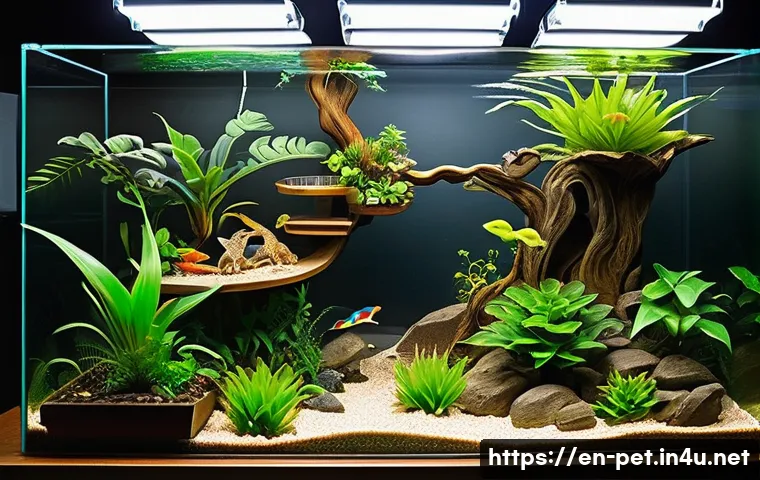
When you decide to welcome an exotic pet into your home, you’re not just getting an animal; you’re essentially becoming a habitat architect. And let me tell you, this part of the journey is one of the most exciting and crucial steps! From personal experience, I’ve found that creating an environment that closely mimics their natural habitat isn’t just about keeping them alive; it’s about allowing them to thrive, to exhibit their natural behaviors, and to truly feel at home. It’s a meticulous process, yes, but seeing your pet flourish in a space you’ve carefully curated is incredibly rewarding. I’ve spent countless hours researching specific temperature gradients, humidity levels, and substrate choices for different species, and it always pays off. Think of it as building a miniature ecosystem, tailored specifically for your unique companion. And trust me, the investment in a proper setup upfront will save you so much heartache and vet bills down the line. It’s not just a cage; it’s their entire world, and you’re the one building it.
Creating the Perfect Abode
So, you’ve picked your extraordinary companion – congratulations! Now comes the fun part: designing their perfect pad. This isn’t a one-size-fits-all scenario. A bearded dragon, for example, will need a spacious enclosure with plenty of climbing opportunities and a basking spot that reaches specific temperatures, along with a UVB light to ensure proper calcium absorption. On the flip side, a dart frog needs extremely high humidity and a bioactive terrarium that mimics a tropical rainforest floor. I once underestimated the importance of proper ventilation for a chameleon, and let’s just say it was a learning curve I won’t soon forget! It’s vital to research the exact dimensions, materials, and accessories for your chosen species. Substrate, decor (branches, hides, water dishes), heating elements (lamps, heat mats), lighting (UVB, UVA, full spectrum), and humidity controls (misters, foggers) all play critical roles. Don’t forget to think about security – some exotics are surprisingly good escape artists, and you definitely don’t want to find your little friend exploring places they shouldn’t be!
Beyond the Basics: Nutritional Needs and Wellness Checks
Okay, you’ve built an amazing home, but what about what goes inside your pet? Nutrition for exotic animals is often far more complex than simply pouring kibble into a bowl. It requires a deep understanding of their natural diet and how to replicate it responsibly. For insectivorous reptiles, that means gut-loaded and dusted feeder insects. Herbivores need a carefully balanced mix of fresh greens and vegetables. And let’s not even get started on the intricacies of feeding certain aquatic species! I’ve seen firsthand how a poor diet can quickly lead to health issues like metabolic bone disease or organ failure, and it’s heartbreaking. Beyond diet, regular veterinary care from a qualified exotics vet is non-negotiable. These aren’t your average dog and cat vets; you need someone who specializes in the unique physiology and common ailments of your particular species. Establishing a relationship with an exotics vet *before* you even bring your pet home is a smart move. Regular check-ups, even when your pet seems perfectly healthy, can catch potential problems early and ensure a long, vibrant life for your fascinating friend.
Feathered Wonders and Aquatic Realms: Exploring Diverse Exotic Pets
While reptiles and small mammals often steal the spotlight in the exotic pet world, there’s an entire universe of captivating creatures with feathers and fins that can make truly incredible companions. I’ve always been drawn to the sheer diversity of life on this planet, and when you open your mind beyond the furry four-legged friends, you discover a whole new spectrum of interactions and beauty. Owning a parrot, for example, is an entirely different experience from owning a snake, just as keeping a vibrant freshwater stingray differs greatly from caring for a terrestrial mammal. It’s about appreciating life in all its forms and finding that unique creature whose presence brings a special kind of magic into your home. The sounds, the colors, the movements – each type of exotic pet offers a completely distinct sensory experience that truly enriches daily life.
Birds of a Different Feather
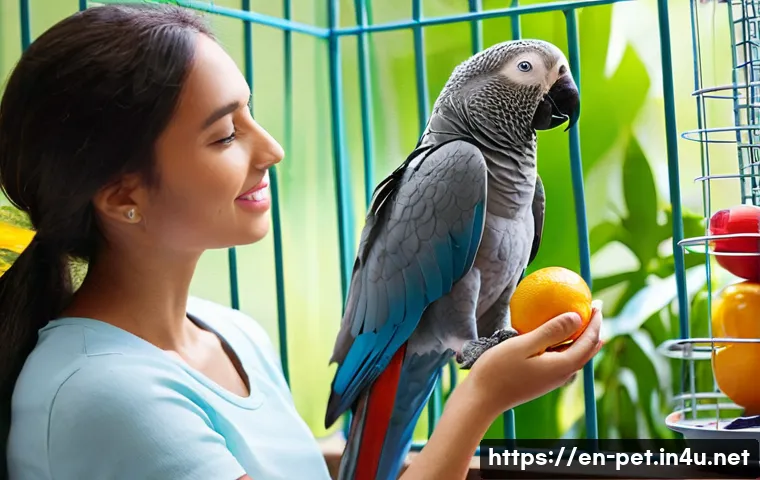
If you’ve ever spent time around a parrot, you know what I mean when I say they’re not just pets; they’re family members with wings and incredibly strong personalities. From the playful chatter of a budgie to the intelligent mimicry of an African Grey or the vibrant display of a Macaw, avian exotics offer unparalleled companionship. However, they are also a significant commitment. I’ve personally learned that birds, especially larger species, require immense social interaction, mental stimulation, and a diet far more complex than just seed mix. Think fresh fruits, vegetables, specially formulated pellets, and even cooked grains! Neglecting these needs can lead to behavioral issues like feather plucking or aggression. Their lifespan can be incredibly long – some parrots can live for 50-80 years! So, when you choose a feathered friend, you’re not just getting a pet for a few years; you’re gaining a lifelong companion that will challenge and delight you in equal measure. The morning greetings and the silly dances they do are just pure joy, a daily dose of happiness you won’t find anywhere else.
Aquatic Wonders: A Glimpse into the Deep
For those who find tranquility in the serene movement of water, aquatic exotic pets can be a truly mesmerizing choice. We’re talking beyond your typical goldfish or betta. Imagine a tank teeming with the iridescent scales of exotic tropical fish, or perhaps a captivating freshwater stingray gliding gracefully across the substrate. Maybe even a unique invertebrate like a cleaner shrimp or a fascinating jellyfish tank. The beauty of an aquatic setup is not just the creatures themselves, but the living artwork you create. However, just like their terrestrial counterparts, these pets come with their own intricate demands. Water chemistry, filtration, temperature stability, and diet are paramount. I remember my first attempt at a saltwater tank – a steep learning curve indeed! But the reward of seeing a thriving, balanced aquatic ecosystem, watching these stunning creatures interact and move through their carefully designed world, is incredibly satisfying. It’s a peaceful, ever-changing slice of nature right in your living room, offering a calming presence unlike any other pet.
The Practicalities and Pleasures: What Exotic Pet Ownership Truly Entails
Okay, let’s get real for a moment. While the allure of exotic pets is undeniable, responsible ownership is built on a foundation of practical considerations. It’s not all glamour and unique photo opportunities! From my own journey, I’ve realized that truly understanding the financial, time, and emotional commitments involved is crucial before you even think about bringing one of these amazing creatures home. I’ve often seen people get caught up in the “cool” factor, only to be surprised by the actual day-to-day responsibilities. It’s a bit like buying a luxury sports car – it looks fantastic, but you also need to factor in the special fuel, maintenance, and insurance! The joy of an uncommon bond comes with the responsibility of providing uncommon care. It’s a partnership, and like any good partnership, it requires effort and dedication from both sides. But when you get it right, the connection you build is truly something special and deeply fulfilling.
Understanding Their Unique Demands
Exotic pets aren’t like dogs or cats where you can often find readily available information and products at any local pet store. Their needs are highly specific and often require specialized equipment, food, and expertise. For instance, maintaining the precise temperature and humidity for a chameleon means investing in specific thermostats, hygrometers, and misting systems. Feeding a monitor lizard might involve sourcing live rodents or insects regularly. These are not always cheap or easy to come by. I’ve learned that you often need to order supplies online from specialty retailers or connect with local breeders. Emergency vet care can also be more complex and expensive, as fewer veterinarians specialize in exotic animals. It’s not just about the initial purchase price of the animal; it’s the ongoing cost of their elaborate setups, specialized diets, and potential medical needs. Always factor these into your budget before making a commitment. This table provides a brief overview of some common exotic pets and key considerations:
| Exotic Pet | Key Care Considerations | Typical Lifespan | Approx. Setup Cost (USD) |
|---|---|---|---|
| Bearded Dragon | Large vivarium, specific heat/UVB, insectivorous diet, daily handling. | 10-15 years | $300 – $600 |
| Leopard Gecko | Smaller tank with hides, heat mat, insectivorous diet, nocturnal. | 15-20 years | $200 – $400 |
| Corn Snake | Secure vivarium, heat source, rodent diet, fairly docile. | 15-25 years | $250 – $500 |
| Sugar Glider | Large cage, specialized diet (nectar, insects), highly social, nocturnal. | 10-15 years | $500 – $1000+ |
| African Grey Parrot | Large cage, significant social interaction, complex diet, very intelligent. | 50-70 years | $1000 – $3000+ |
Financial Realities of Exotic Pet Ownership
Let’s talk money, because it’s a huge part of being a responsible exotic pet owner. While some initial costs might seem comparable to a traditional pet, the long-term expenses can sometimes be significantly higher. Consider the cost of a high-quality, appropriately sized enclosure, which can easily run into several hundred dollars, sometimes even thousands for larger or more complex setups. Then there’s the ongoing expense of specialized lighting bulbs that need regular replacement, substrates that need changing, and premium-quality food. Many exotic pets require live insects or specially formulated diets that are pricier than standard pet food. And don’t forget the vet bills! An emergency visit for a reptile or bird can be considerably more expensive than for a dog or cat, simply because fewer vets are trained to treat them. Building an emergency fund specifically for your exotic pet’s potential medical needs is a brilliant idea – something I learned the hard way with a surprise gecko ailment! It’s all part of the commitment to provide them with the best possible life, and that includes being financially prepared for their unique needs.
Navigating the Legal Landscape: Responsible Exotic Pet Ownership
Before you get swept away by the excitement of welcoming an extraordinary new companion into your home, there’s a crucial step that absolutely cannot be overlooked: understanding the legalities. Trust me, I’ve seen enthusiastic prospective owners get into trouble because they didn’t do their homework. The regulations surrounding exotic pet ownership vary wildly, not just from country to country, but often from state to state, county to county, and even city to city! What’s perfectly legal in one town might be completely prohibited just a few miles down the road. It’s not just about avoiding fines or confiscation; it’s about being a truly responsible and ethical pet owner. We want these amazing creatures to thrive, and that starts with respecting the laws designed to protect both the animals and the community. My advice? Don’t assume anything. Dig deep into the local ordinances before you even start looking for your pet.
Knowing Your Local Regulations
This is where your detective hat comes in handy! Before you even think about purchasing an exotic pet, you absolutely *must* research the local, state, and federal laws regarding ownership of that specific species. Some animals might require special permits, while others could be outright banned. For example, in many parts of the United States, owning certain venomous snakes, large constrictors, or big cats is heavily restricted or illegal. Even seemingly innocuous pets like ferrets are banned in some areas due to concerns about their potential impact on local ecosystems if they escape. Wildlife protection acts are in place for a reason, aiming to prevent illegal trade and ensure animal welfare. Check with your city’s animal control, your county’s clerk’s office, and your state’s wildlife or fish and game department. These agencies are usually the best sources for accurate, up-to-date information. It might seem like a hassle, but trust me, it’s a necessary step to ensure you’re not only compliant but also an ethical and responsible member of the exotic pet community.
The Ethical Keeper: Responsible Ownership
Beyond just legality, there’s a huge ethical component to owning exotic animals. This goes hand-in-hand with ensuring their welfare and protecting wild populations. Where did your pet come from? Was it responsibly bred, or was it taken from the wild? Supporting ethical breeders who prioritize the health and genetic diversity of their animals is paramount. Avoid any source that seems shady or unwilling to provide transparent information about their animals’ origins. Furthermore, consider the animal’s long-term welfare. Do you have the resources, space, and commitment to care for it for its entire lifespan, which can sometimes be decades? Are you prepared for potential behavioral challenges that might arise? A responsible keeper understands that these animals aren’t just novelties; they are living beings with complex needs. It’s about more than just owning something cool; it’s about providing a lifetime of appropriate care, contributing positively to conservation efforts through responsible sourcing, and educating others about these incredible creatures. Being an ethical keeper means constantly learning, adapting, and always putting your pet’s well-being first.
Closing Thoughts
Well, we’ve covered quite a bit, haven’t we? Diving into the world of exotic pets is truly an adventure, one that I’ve found incredibly enriching and endlessly fascinating. It’s a journey filled with unique discoveries, deep bonds, and a whole lot of learning. What I’ve really taken away from my own experiences, and from talking to so many amazing exotic pet owners, is that while these companions demand a thoughtful and dedicated approach, the rewards are immeasurable. They challenge us to expand our understanding of the animal kingdom and, in doing so, enrich our lives in ways we might never have imagined. It’s about so much more than just owning a pet; it’s about becoming a guardian, a provider, and a lifelong student of these incredible creatures.
Useful Information to Know
1. Always start with thorough research: Before even thinking about getting an exotic pet, immerse yourself in information. Learn about the species’ natural behavior, specific needs, lifespan, and potential health risks. What’s legal in one area might be banned in another, so check local, state, and federal laws meticulously.
2. Habitat is paramount: It’s not just a cage; it’s their entire world. Mimicking their natural environment with precise temperature, humidity, lighting (including UVB for many reptiles), and appropriate substrate is absolutely crucial for their well-being and to prevent stress or illness.
3. Find a specialized exotics vet early: Regular check-ups with a veterinarian who specializes in exotic animals are non-negotiable. These vets understand the unique physiology and common ailments of specific species, which differs greatly from typical dog and cat care. Establish this relationship *before* you bring your new pet home.
4. Understand the true financial commitment: Exotic pets often come with higher ongoing costs than traditional pets. Factor in specialized enclosures, specific diets (like live insects or specialized pellets), UV bulbs that need replacement, and potentially expensive emergency vet care. An emergency fund is a smart idea.
5. Prioritize enrichment and mental stimulation: Exotic pets need more than just food and shelter; they require mental stimulation to stay happy and prevent behavioral issues. Provide toys, puzzles, foraging opportunities, and appropriate social interaction (if applicable to their species) to keep their minds and bodies active.
Key Takeaways
Embracing an exotic pet into your life is a profoundly rewarding journey, but it’s one that calls for deep commitment and extensive preparation. Remember that these aren’t just unique creatures; they are living beings with highly specific needs for housing, nutrition, and veterinary care that go far beyond what a typical cat or dog might require. Always prioritize thorough research, understand the legal aspects of ownership in your area, and be prepared for the long-term financial and time investment. By doing so, you’ll ensure a happy, healthy, and truly captivating life for your extraordinary companion, fostering a bond unlike any other.
Frequently Asked Questions (FAQ) 📖
Q: What are some fantastic “beginner-friendly” exotic pets that aren’t too overwhelming for a first-timer, and what makes them a good choice?
A: Oh, this is such a common and wonderful question! I totally get that feeling of wanting something unique but not biting off more than you can chew. From my own adventures and chatting with fellow enthusiasts, a few absolute gems consistently pop up for beginners.
Leopard geckos are practically rockstars in the exotic pet world. They’re relatively small, quiet, and have these incredible personalities that really shine once they settle in.
Plus, their care is pretty straightforward: a heated tank, some hides, and insects for food. I’ve personally found them to be super rewarding and captivating to watch.
Then there are bearded dragons – these guys are like the friendly golden retrievers of the reptile kingdom! They’re active, enjoy interacting, and their dietary needs are a fun mix of insects and fresh greens.
Building their habitat is a bit more involved, but it’s a rewarding project, and you’ll find a massive community of ‘beardie’ lovers ready to help. And if you’re leaning towards something slithery, a corn snake or a ball python can be surprisingly docile and easy to handle once you get past any initial apprehension.
They don’t need a ton of space, and their feeding schedules are pretty manageable. What makes these animals so great for beginners is their generally calm temperament, relatively simple habitat requirements once you know the basics, and the sheer joy you get from learning about such fascinating creatures firsthand.
It’s truly a different kind of bond!
Q: Exotic pets often get a bad rap for being incredibly difficult to care for compared to traditional dogs and cats. Is that really true, or is it just a myth that scares people away?
A: Honestly, that’s a HUGE misconception I hear all the time, and it really bugs me because it deters so many people from discovering the joy of exotic companions!
While it’s true that some exotic pets, like certain primates or large constrictors, demand extremely specialized care and definitely aren’t for the faint of heart (or light of wallet!), the vast majority that people consider “exotic” are not inherently “difficult.” They’re just different.
It’s not about being harder, but about requiring specific knowledge and dedicated husbandry that might differ significantly from what you know about Fido or Fluffy.
Think of it this way: a well-cared-for bearded dragon might need specific temperature gradients, UVB lighting, and a varied diet, but that’s no more “difficult” than understanding a dog’s complex social needs, training requirements, or grooming schedule for a high-maintenance breed.
The biggest difference I’ve noticed is that with exotics, you absolutely have to do your homework upfront. You can’t just wing it! But once you’ve set up their perfect environment and learned their dietary quirks, the daily routine often becomes quite simple.
In my experience, the initial learning curve is the steepest part, but the commitment of learning about a unique species is incredibly fulfilling and definitely worth it!
Q: Before I dive headfirst into getting an exotic pet, what are the absolute must-knows, especially when it comes to things like legalities and finding a veterinarian who can actually help?
A: This is probably the most crucial question, and I wish more people asked it upfront, because it can save you so much heartache and hassle down the road!
The world of exotic pets has a patchwork of regulations, so legality is your absolute first stop. Seriously, do not pass go, do not collect your new pet until you’ve checked your local, state, and even national laws.
What’s perfectly fine in one state or county might be completely illegal just across the border, and you definitely don’t want to find yourself in a situation where you have to rehome a pet you’ve fallen in love with or, even worse, face fines.
A quick search on your government’s animal services website or a call to your local humane society can usually point you in the right direction. Secondly, and equally vital, is finding a specialized veterinarian.
This is non-negotiable! You simply cannot take your ball python or chameleon to your regular dog and cat vet – trust me on this one. Exotic animals have vastly different physiologies, diseases, and medication dosages.
Before you even bring your new friend home, research and identify at least one, preferably two, reputable exotic animal vets in your area. Give them a call, ask about their experience with the species you’re considering, and get a feel for their emergency protocols.
You want to be prepared for any health hiccups, not scrambling when your little buddy isn’t feeling well. Thinking about these practicalities beforehand might not be the most glamorous part of pet ownership, but it’s an undeniable act of responsible love for your future unique companion.